
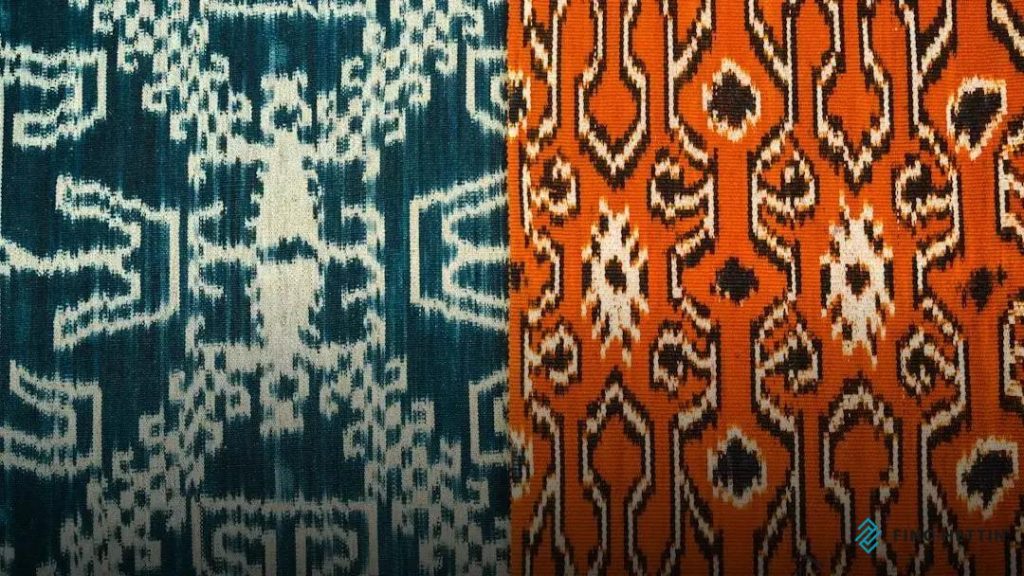
When it comes to designing interior spaces, carpets are more than just floor coverings—they are essential in defining the visual narrative of a room. The patterns chosen for a carpet can significantly influence interior style, creating harmony or adding a focal point. From vibrant geometrics to timeless florals, each pattern style brings a unique story and energy to your home. Explore how carpet patterns can transform your space, providing both aesthetic appeal and functional benefits.
The Role of Color in Carpet Patterns
The use of color in carpet patterns can transform the entire ambiance of a room. Colors don’t just add beauty—they can influence the mood and perception of space. Warm colors like red and orange can make a room feel cozier, while cool tones such as blue and green tend to evoke a sense of calm and tranquility.
Choosing the right color combination is key to creating harmony in your interior design. Complementary colors can provide a vibrant contrast, while analogous colors offer a more subtle transition. It’s important to consider both the pattern design and color palette when deciding on a carpet, as they should work together to support the room’s theme.
Carpets with multiple colors often act as the focal point, grabbing attention and drawing the eye. On the other hand, monochromatic patterns can offer a sophisticated and understated look that complements other elements in the decor. Understanding color theory allows you to make strategic choices that enhance the overall aesthetic of your interior space.
Geometric Designs and Their Visual Impact
When discussing the role of geometric designs in carpet patterns, one cannot ignore their profound visual impact. These designs, often characterized by shapes such as triangles, squares, and circles, offer a unique approach to enhancing interior spaces. They introduce a sense of balance and order, which are key elements in achieving a harmonious room design.
Symmetry and Structure
Geometric patterns create a sense of cohesiveness in a room. By employing repeated shapes and lines, they can guide the eye and bring structure to a space, making it appear more organized. This is especially beneficial in open-plan designs, where defining different areas without physical barriers is essential.
Versatility in Style
Geometric patterns are incredibly versatile, fitting into various aesthetic styles. Whether aiming for a minimalist, contemporary, or even retro vibe, there is a geometric design that complements it. This adaptability makes them a popular choice for interior designers seeking both style and functionality.
These designs can also interact with light and shadow to create intriguing visual effects. The play of light across a patterned carpet can highlight different shapes and form dynamic visuals, adding another layer of appeal to a room.
In modern interiors, geometric carpets are used not only as decorative elements but also as focal points. Their ability to attract attention and evoke interest makes them ideal for spaces that need an eye-catching feature without overwhelming other design elements.
Using Floral Patterns to Enhance Space
Floral patterns can bring a natural and refreshing touch to any room, offering a beautiful way to connect indoor spaces to the beauty of nature. When selected thoughtfully, floral designs in carpets can serve as stunning focal points or subtle accents, enhancing the emotional and aesthetic appeal of a room.
One of the key benefits of floral patterns is their versatility. Depending on the color scheme and size of the prints, floral carpets can adapt to various interior styles—whether it’s a rustic cottage or a modern city apartment. In smaller rooms, using light-colored floral designs can open up the space, making it appear larger and more inviting.
Floral patterns can also inspire creativity in design. They offer endless combinations of colors and shapes that can be tailored to individual preferences. For example, a carpet with large, bold floral prints can serve as an artistic statement piece, drawing attention and adding vibrancy to a neutral-toned room.
Furthermore, the choice of material for floral-patterned carpets plays a crucial role in their impact. A soft wool carpet with a subtle floral design can evoke a sense of comfort and warmth, while a silk rug with intricate flowers can impart an air of luxury and sophistication. Maintenance considerations are also important, as certain materials may require more delicate care.
Placement is another aspect to consider. Large living areas benefit from a central floral rug that becomes the heart of the room, while a narrow hallway might shine with a runner adorned with delicate blooms. The goal is to use floral carpets to create harmony in the space, allowing them to complement rather than overwhelm other design elements.
The Power of Stripes in Modern Interiors
Stripes have a unique ability to transform modern interiors by creating visual interest and influencing spatial perception. In a room, striped carpet patterns can make a space appear larger or more compact, depending on the orientation and width of the stripes.
Vertical stripes help extend the room’s height, making it feel more spacious and airy. This is particularly beneficial in smaller rooms or spaces with low ceilings. On the other hand,
horizontal stripes
can elongate a room, adding a sense of width and creating a cozy atmosphere.
When aptly combined, stripes bring a modern, sleek look to interiors. Larger, bold stripes contribute to a dramatic effect, while narrow stripes can introduce subtle texture without overwhelming the existing decor. The choice of stripe color also plays a crucial role in defining the mood—neutral colors provide sophistication and elegance, whereas vibrant hues offer a playful, energetic touch.
Integrating stripes into modern interiors is not restricted to traditional linear displays. Diagonal or mixed-directional patterns can add dynamic movement and creativity to the space, elevating the design complexity and visual intrigue without deviating from modern aesthetic principles.
Classic Patterns for a Timeless Look
Classic patterns have always held a significant position in interior design, especially when it comes to influencing the overall aesthetic of a space. These designs are rooted in tradition, yet their charm and appeal remain relevant, making them an excellent choice for those looking to create a timeless look.
One classic pattern that continually stands out is the damask, known for its intricate and sophisticated details that add depth to any room. It’s a favorite among designers for its ability to convey elegance and luxury. When incorporated into carpet designs, damask can elevate the overall atmosphere of a room, making it feel more refined.
Another enduring pattern is the paisley. Originating from Persia, paisley infuses a space with a touch of exotic flair. Its teardrop shapes can vary in complexity, providing a versatile pattern that works well in both traditional and contemporary settings. Carpets featuring paisley patterns can serve as a focal point, drawing the eye and encouraging conversation.
Stripes are also a classic pattern with a twist. Though a staple, their orientation and color contrast can dramatically alter a room’s perspective. For instance,
vertical stripes
in carpet patterns can make rooms appear taller, while horizontal stripes can widen a space.
Finally, consider the classic checkered pattern, reminiscent of vintage designs. Whether in bold contrast or subtle hues, checkerboards offer a structured aesthetic that can anchor the look of an entire space. Using this pattern in carpeting can introduce a sense of rhythm and stability, complementing various interior styles without ever feeling dated.
Using these classic patterns thoughtfully in carpet choices not only anchors a room’s design but also ensures the space remains captivating for years to come.

 Future Trends in Carpet Design and Manufacturing: What’s Next?
  Timeless Carpet Designs That Never Go Out of Style
  Best Carpet Styles for Small Spaces: Discover Top Choices