
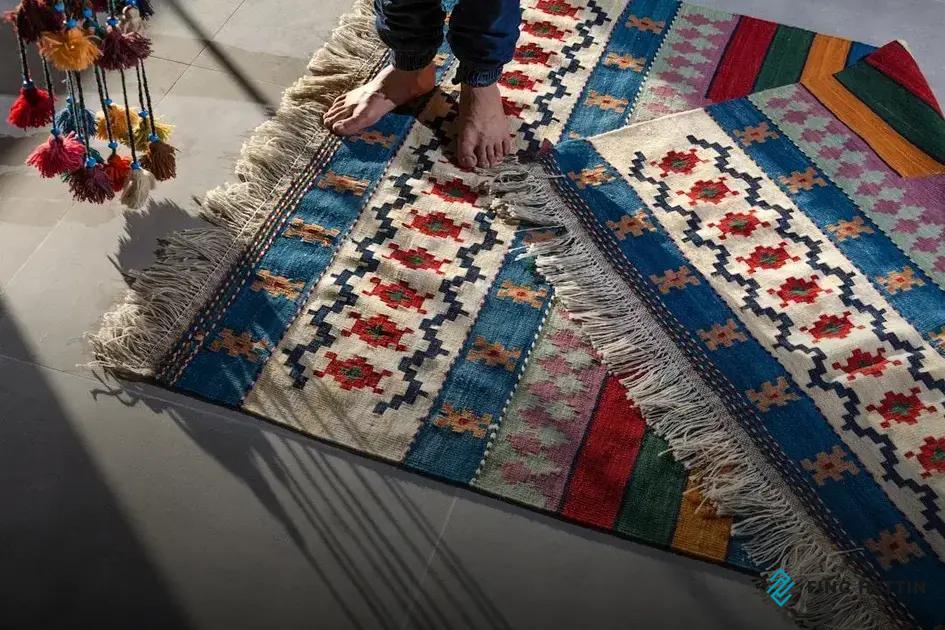
When deciding between indoor and outdoor carpets, it’s important to understand the unique benefits and features of each. Indoor carpets offer comfort and style, while outdoor carpets provide durability and weather resistance. In this guide, we will explore what sets them apart and how to choose the right one for your specific needs. Let’s dive deeper into understanding the basic characteristics of indoor and outdoor options.
Understanding the Basics of Indoor Carpets
Indoor carpets are an essential part of home interior design, providing not only beauty but also comfort. These carpets are often made from materials such as wool, nylon, or polyester, each offering unique benefits. Wool, for instance, is luxurious and resilient, though it can be on the pricier side. Nylon offers durability and flexibility, making it a popular choice for busy households.
One crucial aspect of indoor carpets is their insulating properties. They help in retaining heat, making indoor spaces more energy-efficient. Additionally, they muffle noise, providing a quieter environment, which is perfect for homes with open floor plans or multiple floors.
Indoor carpets come in numerous styles, from plush to Berber, each suiting different aesthetic preferences and functional needs. Plush carpets, for example, have a soft, luxurious feel that suits bedrooms, while Berber carpets, with their distinct loop pile, are ideal for high-traffic areas.
Indoor Carpet Cleaning and Care
Proper maintenance extends the life of indoor carpets. Regular vacuuming is critical to remove dirt and debris that can wear down fibers. Spot cleaning for stains should be done immediately using products that are safe for the carpet’s material. For long-term care, consider professional cleaning services to keep carpets looking fresh and to help maintain their warranty.
Exploring Outdoor Carpets and Their Uses
Versatility of Outdoor Carpets: Outdoor carpets are designed to withstand various weather conditions and are suitable for decks, patios, and porches.
Durability:
Made from materials like polypropylene, these carpets are resistant to moisture, stains, and fading. Outdoor carpets can endure rain, sun, and even snow without deteriorating.
Aesthetic Appeal: Available in various designs and colors, outdoor carpets can enhance the visual appeal of outdoor spaces. They add a cozy feel to areas where wooden or concrete flooring might feel too hard or cold.
Safety and Comfort:
Outdoor carpets provide a non-slip surface, reducing the risk of accidents. This makes them ideal for poolside areas. Additionally, they don’t heat up excessively under the sun, making them comfortable to walk on even barefoot.
Flexible Usage: Outdoor carpets aren’t limited to outdoor spaces. They can also be used indoors, especially in high-traffic areas like mudrooms or entrance halls, where extra durability is necessary. Their easy-to-clean nature makes them practical for spaces prone to dirt and moisture.
Environmental Adaptability:
With advancements in design, many outdoor carpets are now eco-friendly, made from recycled materials. They cater to homeowners looking for sustainable decorating choices. Overall, outdoor carpets offer a blend of functionality and style, seamlessly fitting into various settings.
Key Differences Between Indoor and Outdoor Carpets
Indoor and outdoor carpets have distinct characteristics that suit different environments and purposes. When comparing these two types, the primary differences revolve around material composition, durability, and aesthetic appeal.
Material Composition: Indoor carpets are often crafted from softer materials like wool, nylon, or polyester, providing comfort and warmth. In contrast, outdoor carpets are made from robust materials such as polypropylene or olefin, designed to withstand environmental factors like moisture and UV rays.
Durability: The durability of indoor carpets is typically less robust, as these carpets are intended for lower foot traffic areas and protected from harsh elements. Outdoor carpets boast high durability, crafted to endure significant wear and tear from various weather conditions without fading or degrading.
Aesthetic Appeal: Indoor carpets often come with intricate patterns, plush textures, and a wide range of colors to match interior design preferences. Outdoor carpets, while available in various designs, emphasize functionality and resistance, often prioritizing simple patterns and subdued colors.
Understanding these differences will help in selecting the right carpet type depending on where you intend to use it, ensuring longevity and satisfaction.
Selecting the Right Carpet for Your Space
Choosing the right carpet is crucial to enhancing your space, whether indoor or outdoor. Indoor carpets are typically designed for comfort and aesthetic appeal, offering a range of textures and colors that complement interior decor. They provide warmth and cushion, making them ideal for living rooms, bedrooms, and other cozy areas.
In contrast, outdoor carpets are designed to withstand the elements. These carpets are made from durable materials like polypropylene and are resistant to moisture, mold, and fading from sunlight.
Best Uses
Outdoor carpets are perfect for patios, decks, and other areas exposed to weather conditions. They offer a low-maintenance option that adds style and comfort to external spaces.
To select the right carpet for your space, consider the location and purpose. Indoor carpets should match the indoor climate and decor, ensuring that they add elegance and comfort. Reflect on the traffic and use of the area to determine the carpet’s durability and design.
On the other hand, when choosing outdoor carpets, prioritize weather resistance and durability over pure aesthetics. Ensure they suit the outdoor environment, whether it’s a high-traffic area or a space for relaxation.
Balancing the functional needs and stylistic preferences will guide you in selecting the perfect carpet, thereby enhancing the appeal and functionality of any space.
Maintenance Tips for Indoor and Outdoor Carpets
-
Regular Vacuuming Indoors
Regular vacuuming is essential for maintaining indoor carpets. This helps remove dirt and allergens, prolonging the carpet’s life.
- Professional Cleaning Consider scheduling professional cleaning every 12 to 18 months to keep your indoor carpets looking fresh.
-
Spot Cleaning
It’s vital to promptly address any spills on indoor carpets to prevent stains. Use a mild detergent and blot, rather than rub, the affected area.
-
Outdoor Carpet Care
Outdoor carpets are designed to withstand the elements, but regular sweeping and hosing them off can prevent debris build-up.
- Weather Protection Consider rolling or covering outdoor carpets during intense weather conditions, like harsh sunlight or heavy rain, to prevent fading or wear.
-
Mildew Prevention
Check outdoor carpets for dampness periodically. Ensure they dry completely to avoid mildew formation.
- Material-Specific Tips Always follow manufacturer guidelines. Some carpets may require specific care based on their material composition, especially those made for outdoor use.

 Future Trends in Carpet Design and Manufacturing: What’s Next?
  Timeless Carpet Designs That Never Go Out of Style
  Best Carpet Styles for Small Spaces: Discover Top Choices