
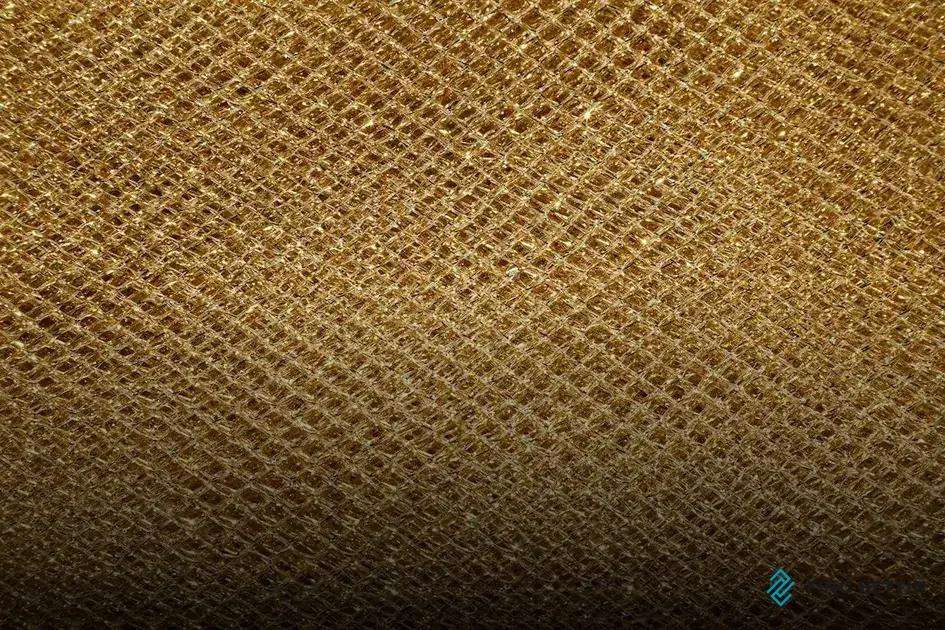
Discover the enchanting world of Kilim Carpets, renowned for their flatwoven art pieces that add charm to any space. Whether you are drawn to their vibrant designs or intricate patterns, Kilims offer a unique elegance. Dive into their rich history and learn about the materials and craftsmanship behind these timeless rugs. Gain insights on how to incorporate these beautiful pieces into modern decor while ensuring their longevity with proper care. Let’s explore the alluring characteristics of Kilim Carpets and how they transform ordinary rooms into extraordinary spaces.
The Rich History of Kilim Carpets
Tracing back thousands of years, Kilim carpets represent a deep cultural tapestry, interwoven with the traditions and artistry of diverse Middle Eastern and European communities. This rich history is not merely about age but the fusion of influences from nomadic tribes, ancient trade routes, and the creative expressions that evolved throughout time.
Within the Anatolian region, these textiles became a symbol of identity, capturing stories, philosophies, and social nuances. The distinct flatwoven technique of Kilims showcases an intricate craftsmanship, which was initially practical for rolling and transporting as these communities migrated.
In the heart of the Silk Road, Kilims served not only as beautiful artisan pieces but also held valuable currency status. Their robust nature made them versatile, being used for everything from flooring to wall hangings and even as camel covers. Historically, Kilim carpets also delineated social values and events like weddings, hinting at the deep personal connections infused into these textiles.
The designs themselves tell stories of spiritual beliefs, protection, and fertility. Motifs like the ‘ram’s horn’, ‘elibelinde,’ and ‘tree of life’ represent strength, femininity, and immortality, respectively. As these symbols are explored, the rich cultural footnotes they contain become apparent, exemplifying how Kilim carpets transcend mere decoration to become living artifacts of cultural heritage.
Designs and Patterns: A Closer Look
Kilim carpets are more than just floor coverings; they serve as artistic expressions defined by both their designs and intricate patterns. With geometric motifs and bold colors, these flatwoven textiles speak the language of culture and tradition. Understanding the intricate patterns of Kilim carpets reveals insights into not only the cultural heritage of their origin but also the personal stories and meanings imparted by their weavers.
Each region where Kilim carpets originate showcases distinct patterns, often inspired by nature, religious beliefs, or daily life. The repetition of particular symbols, such as the ‘elibelinde’ or ‘hands on hips’, symbolizes fertility and motherhood, while serpentine lines might represent water or life’s growth cycle.
Symbolism and Colors
Patterns often integrate symbolism and color artistry, infusing carpets with life and vibrancy. The choice of color holds significant meaning; for instance, red may convey passion or strength, while blue often symbolizes spirituality or protection.
While long-established designs remain popular, modern Kilim weavers innovate by combining traditional elements with contemporary twists, resulting in exciting, unique pieces that resonate with today’s design aesthetics.
Materials Used in Kilim Creation
Kilim carpets are crafted from natural fibers that not only enhance their durability but also add to their aesthetic appeal. The primary material used in kilim creation is wool. Wool is favored for its resilience, natural warmth, and ability to absorb dyes thoroughly, which results in vibrant and long-lasting colors. The texture of wool is also desirable for its softness underfoot and its insulating qualities.
In some cases, cotton is used in the warp threads of kilims to provide additional strength and stability. Cotton is known for its tensile strength, which is especially important in maintaining the shape and structure of the carpet. This combination of wool and cotton creates a flexible yet tough textile that can withstand regular use.
Occasionally, artisans incorporate silk into kilim designs to introduce luxurious sheen and fine detailing. Silk threads add a delicate touch and can enhance patterns with a subtle luster that catches the light beautifully.
Natural dyes are another critical component in kilim craftsmanship. Derived from plant extracts, minerals, and sometimes insects, these dyes contribute deeply saturated hues that not only stand the test of time but also reflect the environment and traditions of the region where the kilim is made. The use of natural dyes ensures that each kilim has a unique color palette that may evolve with age, adding character and depth.
Caring for Your Kilim Carpet
Vacuum Regularly
To maintain the vibrant colors and intricate patterns of your Kilim carpet, vacuum it regularly. Use a vacuum cleaner with a brushless suction feature to avoid damaging the delicate fibers. Vacuum both sides if possible to remove hidden dirt and dust.
Spot Clean Spills
Accidents happen! When spills occur, blot the stain immediately with a clean, dry cloth. Avoid rubbing, as it may cause the stain to set deeper. Use a mild detergent mixed with water to gently clean the stained area, then blot again with a dry cloth.
Avoid Sunlight
Like most textile art, Kilim carpets can fade in direct sunlight. Place your Kilim out of direct sunlight to preserve its colors. If that’s not possible, consider rotating your carpet occasionally to ensure even exposure for all areas.
Rotate Your Kilim
Rotate your Kilim every few months to ensure even wear and exposure to sunlight. This simple practice prevents one side from becoming more worn or faded than the other, extending the life of your carpet.
Professional Cleaning
Schedule professional cleaning once a year. Professional cleaners specializing in handwoven carpets will use the right techniques and products to cleanse your Kilim without damaging its fibers or colors.
Store Properly
If you need to store your Kilim carpet, roll it carefully. Avoid folding to prevent creases. Wrap it in breathable material like a cotton sheet to protect it from dust while allowing airflow.
Incorporating Kilim into Modern Decor
Integrating Kilim into modern decor can breathe new life and personality into your spaces. A Kilim carpet is not just a rug; it’s a piece of art with a rich history and beautiful designs that can seamlessly blend into contemporary settings.
Color Schemes: A Kilim can serve as a focal point with its vibrant colors. Choose colors that complement the existing palette of your room. For example, if your decor is primarily neutral, select a Kilim with bold reds or blues to create contrast.
Layering and Textures: Incorporating Kilim rugs adds texture, offering a tactile experience that contrasts with sleek modern finishes. Try layering a Kilim over a larger, neutral area rug to add depth and interest without overwhelming the space.
Furniture Pairings: Pairing a Kilim with modern furniture like a minimalistic sofa can create a striking balance. The geometric patterns and vibrant hues of Kilims often match well with clean lines and muted tones.
Artful Accents: Besides flooring, use Kilim textiles as wall hangings for a bohemian touch. They can also be upholstered into cushions, footstools, or even as a throw over your sofa, adding warmth and style.
Mixing Styles: Don’t be afraid to blend different decor styles. The eclectic nature of Kilim rugs allows for mixing elements like modern lighting fixtures with traditional or rustic furniture pieces.
Incorporating Kilim into your modern spaces not only respects tradition but also adds a personal and unique touch that modern interiors crave.

 Future Trends in Carpet Design and Manufacturing: What’s Next?
  Timeless Carpet Designs That Never Go Out of Style
  Best Carpet Styles for Small Spaces: Discover Top Choices