
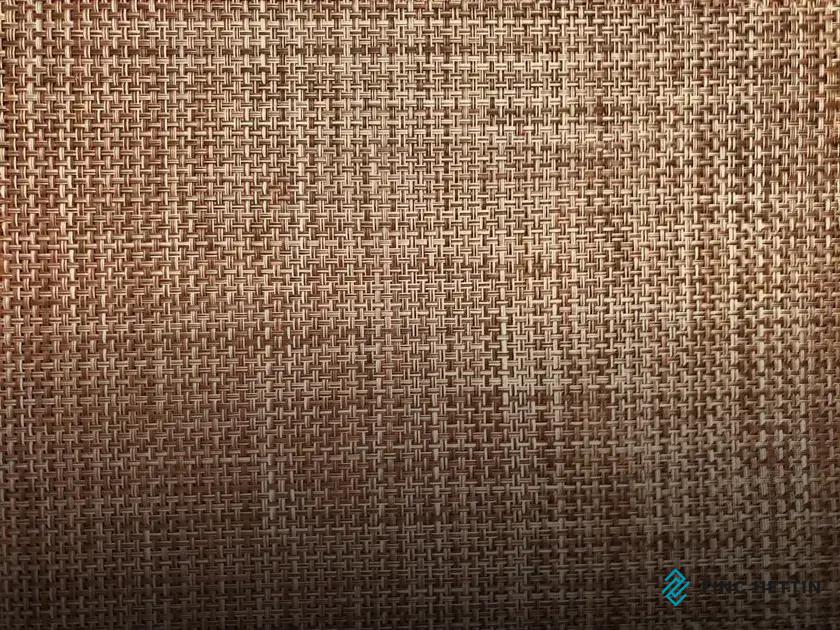
Turkish carpets are famed for their intricate weaving techniques and symbolic motifs, which have captivated art enthusiasts globally. Understanding these carpets involves exploring their deep history, distinctive weaving methods, and the unique motifs that differentiate them. This guide delves into the fascinating world of Turkish carpets, highlighting the regional variations and offering insights into proper care to maintain their beauty and longevity.
The History of Turkish Carpets
The rich tapestry of Turkish carpets dates back centuries. These artistic creations originated in the Anatolian region, with their origins tracing all the way to the beginning of the Turkish kingdoms. Ottoman influence played a crucial role as carpets adorned the palaces and homes, symbolizing wealth and sophistication.
During the Seljuk period (11th to 13th centuries), Turkish carpets gained prominence through distinctive weaving techniques. Artisans developed unique knotting styles, which became a hallmark of Turkish rugs. This era also saw the introduction of intricate geometric patterns and vibrant colors.
The 15th century marked a golden age for Turkish carpets under the Ottomans. Demand soared both locally and internationally, especially in Europe, where royal courts and affluent families coveted these luxurious pieces. This period witnessed the introduction of the famed Lotto and Ushak carpets, known for their floral and medallion patterns.
Symbolism played a vital role in the history of Turkish carpets. Patterns often conveyed stories or cultural beliefs. Motifs such as stars, tulips, and pomegranates, added depth and meaning, enriching the carpets’ designs.
Modern Developments
Over time, the art of carpet weaving in Turkey evolved but still held onto traditional methods and motifs. Today, Turkish carpets are celebrated globally, appreciated for their intricate designs and the craftsmanship passed down through generations.
Understanding Weaving Techniques
Weaving techniques lie at the heart of Turkish carpets, defining their durability and aesthetic appeal. Each carpet tells a unique story, woven by skilled hands using traditional methods passed down through generations.
Looms and Warps
The foundation of every Turkish carpet is its loom. These looms can be vertical or horizontal, depending on the weaver’s preference and the design’s complexity. Warps, which are the vertical threads, are stretched across the loom. These form the backbone of the carpet and provide the necessary structure.
Knots and Weaves
There are two main types of knots used: the Turkish knot (Ghiordes) and the Persian knot (Senneh). The Turkish knot, known for its double loop, offers a denser and more durable fabric, lending the carpets their significant longevity.
The weaving techniques also include flat weaving methods, such as Kilim, where no knots are used, resulting in lighter and more flexible carpets. These techniques contribute to the diverse range of textures and styles in Turkish carpets.
Patterns and Symmetry
Symmetrical patterns are a hallmark of traditional Turkish weaving techniques. Weavers use a set grid system to ensure that each motif is perfectly mirrored, adding to the carpet’s overall harmony and balance. This meticulous attention to detail exemplifies the weaver’s skill and dedication.
Exploring Common Motifs
In Turkish carpets, motifs carry vast cultural significance and vary in form and meaning. Among the most prevalent motifs are geometric patterns, often used to symbolize protection and unity.
Symbolism in Motifs
The tree of life motif represents immortality and is a common theme in Turkish carpet design. This motif intertwines various patterns to tell a story of eternal life and growth.
Floral motifs, such as tulips and carnations, often express beauty and natural fertility. These motifs bring elements of nature into intricate designs, blending art with storytelling.
Geometric Patterns
Geometric shapes are not just decorative but are deeply symbolic. Common patterns like the diamond or hexagon are believed to offer protection against evil spirits. These motifs are skillfully integrated and repeat across the carpet’s design.
The use of medallions is a hallmark in Turkish carpet motifs, which often occupy the central field of the carpet. These designs are characterized by their rich and detailed composition, adding a focal point to the overall aesthetic.
Motifs are also influenced by the region in which the carpet is woven, with different areas of Turkey imparting unique stylistic elements to the motifs. Exploring these motifs reveals much about local customs and the history embedded within each piece.
Regional Variations in Design
Turkish carpets exhibit distinct styles and motifs depending on the region where they are produced. Each area brings its own unique flavor to the design, influenced by local traditions, culture, and available materials. For instance, carpets from the Anatolian region are known for their bold geometric patterns and vibrant colors. These carpets often use earthy reds and blues, which are derived from natural dyes.
Another notable area is Central Anatolia, where the designs are more stylized and utilize symbols that carry specific meanings. The Yörük tribes of Western Anatolia, for instance, incorporate symbolism in their rugs that represent protection and fertility, often using motifs like stars and hands.
Moving to the southern part of Turkey, carpets often integrate influences from neighboring cultures. The Kilim rugs of this region, a flat-woven style, showcase multicolor stripes and diamond-shaped motifs, often without any extra knotting, making them lighter yet equally rich in cultural expression.
In Eastern Turkey, the designs become more complex, often incorporating intricate floral patterns and curvilinear elements. The use of silk in these regions creates luxurious textures, reflecting a fusion of Persian influences as well. The intricacy and the choice of materials speak to the historical trade routes that influenced these designs, infusing a mosaic of stylistic approaches that make Turkish carpets a rich amalgamation of regional artistry.
Caring for Your Turkish Carpet
To ensure that your Turkish carpet maintains its beauty and longevity, it’s crucial to follow some specific care guidelines. Regular cleaning is essential to prevent dirt and dust from embedding into the fibers. A gentle vacuuming on a weekly basis can effectively keep the surface clean. Make sure to avoid using heavy brush attachments, as these can damage the delicate fibers.
Spills should be addressed immediately by blotting the area with a clean, dry cloth. Never rub the spill, as this can push the liquid deeper into the fibers. Use a mild detergent mixed with water for more stubborn stains, applying it sparingly and removing it with a damp cloth.
Direct sunlight can cause fading, so it’s advisable to rotate your carpet regularly. This practice ensures that any sun exposure is evenly distributed. Additionally, using a rug pad can help prevent slipping and reduce wear by providing additional cushioning.
For a deep clean, consider professional cleaning. Experts are equipped to handle the delicate structure of Turkish carpets, ensuring the integrity of the weaving techniques and motifs is maintained. Investing in professional care every few years can greatly enhance the lifespan of your carpet.

 Future Trends in Carpet Design and Manufacturing: What’s Next?
  Timeless Carpet Designs That Never Go Out of Style
  Best Carpet Styles for Small Spaces: Discover Top Choices