
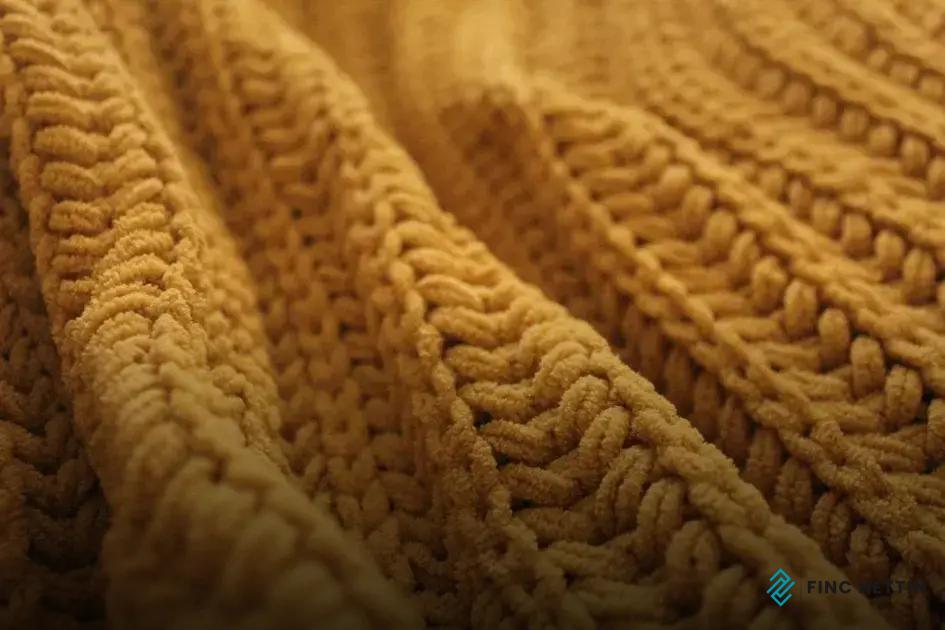
Are you considering new flooring options for your home? Among the multitude of choices available, wool carpets stand out due to their natural beauty and durability. Understanding the benefits and characteristics of wool carpets will help you make an informed decision. Whether you’re comparing wool with synthetic options or looking to enhance your home’s comfort and style, this guide provides essential insights.
What Makes Wool Carpets Special?
Wool carpets stand out for their unique qualities that make them a preferred choice for many homeowners. One of the main features that set wool carpets apart is their natural resilience. Wool fibers have a natural crimp, which allows them to return to their original shape even after being compressed by furniture. This means your wool carpet can maintain its appearance for years.
Another remarkable aspect of wool carpets is their excellent insulating properties. Wool acts as a natural insulator, helping to maintain a comfortable temperature in your home. It keeps spaces warm in the winter and cool in the summer, enhancing energy efficiency.
Durability is a key feature of wool carpets. Thanks to the strength of wool fibers, these carpets are highly durable and can withstand heavy foot traffic without showing signs of wear. This makes them an ideal choice for high-traffic areas in your home.
Wool carpets are also praised for their natural stain resistance. The natural oils in wool fibers help repel stains, making these carpets easier to clean and maintain compared to synthetic options. Additionally, wool is naturally flame-resistant, adding an extra layer of safety to your home.
Lastly, wool is a renewable and biodegradable resource, making wool carpets an environmentally friendly option. Choosing wool carpets contributes to a more sustainable and eco-friendly lifestyle.
Benefits of Using Wool Carpets
Wool carpets provide a multitude of benefits that make them an excellent choice for homeowners. First and foremost, wool is a natural and sustainable fiber that is highly eco-friendly. It is biodegradable, thus contributing less to environmental pollution. This makes wool carpets a top choice for those who prioritize green living.
Another significant advantage is their durability and resilience. Wool fibers can bend up to 20,000 times without breaking, ensuring longevity. This durability means that wool carpets are capable of withstanding high traffic areas, making them ideal for families and pet owners.
Wool carpets also boast natural insulating properties, which aid in maintaining warmth during colder months. This can lead to reduced energy bills, as homes remain comfortable without excessive use of heating systems. Additionally, wool’s ability to absorb sound provides a quieter environment, beneficial for households with active children or those who enjoy peaceful living spaces.
In terms of aesthetics, wool offers a luxurious and elegant appearance. The natural crimp of wool fibers enables them to hold their shape well, creating a plush texture that feels welcoming and cozy underfoot. Wool carpets are also available in a wide range of colors and patterns, catering to diverse interior design preferences.
Wool is known for its stain-resistant qualities as well. The outer layer of wool fibers is known to repel liquids longer than synthetic options, allowing more time to clean spills before stains set in. Moreover, wool naturally resists dirt and debris due to its unique fiber structure, making it easier to maintain cleanliness.
Lastly, wool carpets enhance indoor air quality by absorbing harmful pollutants such as VOCs. This makes them ideal for individuals sensitive to allergies, providing a healthier living space.
Comparing Wool and Synthetic Carpets
When considering carpets for your home, it’s essential to understand how wool and synthetic carpets differ. Wool, a natural fiber, is renowned for its luxurious feel and durability. Synthetic carpets, often made from materials like nylon, polyester, or olefin, offer an alternative that can be more cost-effective.
Durability and Longevity
Wool carpets boast a natural resilience that helps them maintain their appearance over time. This durability makes them a preferred choice for high-traffic areas. In comparison, synthetic carpets are engineered to wear well too, but they may flatten or show signs of wear sooner than wool depending on the quality.
Environmental Impact
Wool is a renewable resource and biodegradable, making it an environmentally friendly option. On the other hand, synthetic fibers are often produced from non-renewable resources and can take years to break down in landfills.
Comfort and Insulation
Wool carpets provide excellent insulation, contributing to temperature regulation in your home. They’re naturally soft underfoot and enhance acoustic properties by reducing noise. While synthetic carpets can also add warmth, they might not match the insulating prowess of wool.
Allergy Considerations
Wool fibers naturally repel dirt and dust, making them hypoallergenic and less likely to harbor harmful particles. Synthetic options can also have anti-allergy coatings but may not inherently repel allergens as effectively as wool.
Color Retention
Wool holds dyes beautifully, which results in vibrant colors that resist fading. However, technological advancements mean many synthetics now offer similar color retention properties.
How to Care for Wool Carpets
Wool carpets offer a luxurious feel and exceptional durability, but they require proper care to maintain their beauty and longevity. Regular Vacuuming: It is crucial to vacuum your wool carpet at least once a week. This helps remove dirt and debris that can become embedded in the fibers, maintaining their pristine appearance. Ensure to use a vacuum cleaner with the correct settings to prevent damage.
Spot Cleaning: For any spills, address them immediately by blotting with a clean, absorbent cloth. Avoid rubbing, as this can drive the stain deeper into the fibers. Utilize a wool-friendly carpet cleaner to treat stains, but always perform a patch test first to avoid discoloration.
Professional Cleaning: Engage a professional carpet cleaning service annually to deep clean your wool carpet, preserving its texture and color. Wool carpets benefit from gentle steam cleaning techniques.
Protecting from Direct Sunlight
Prolonged exposure to sunlight can cause fading. Consider using curtains or blinds to shield your carpet from direct sun and rotate furniture periodically to ensure even wear.
With these care practices, your wool carpet will continue to enhance the aesthetic and comfort of your home while retaining its inherent qualities.
Choosing the Right Wool Carpet for Your Space
Understanding how to choose the ideal wool carpet involves considering several factors that impact both function and aesthetics. Fiber Quality: Wool carpets are known for their natural resilience and long-lasting beauty. Opt for high-quality wool fibers that offer softness and are tightly woven for durability. Color and Pattern: Wool carpets are available in an array of colors and patterns. Lighter shades can open up a room, while darker hues add warmth. Consider the existing decor and lighting to find a harmonious match. Texture and Pile: Texture adds character to a space. Loop pile offers a casual, durable surface, ideal for high-traffic areas. Cut pile, on the other hand, provides a plush, sophisticated appeal that suits bedrooms and living areas.
Choosing the Right Size
Selecting the appropriate carpet size is essential. Use a carpet that complements the room’s proportions. In living rooms, allow for some flooring to be visible along the room’s perimeter for balance. Environmental Impact: Wool is a natural, renewable resource, reducing environmental footprint. Choosing a wool carpet is an eco-friendly option that also enhances indoor air quality, as wool fibers naturally repel dust and dirt. Consider all these factors to ensure your wool carpet not only complements your space but also meets your practical needs.

 Future Trends in Carpet Design and Manufacturing: What’s Next?
  Timeless Carpet Designs That Never Go Out of Style
  Best Carpet Styles for Small Spaces: Discover Top Choices