
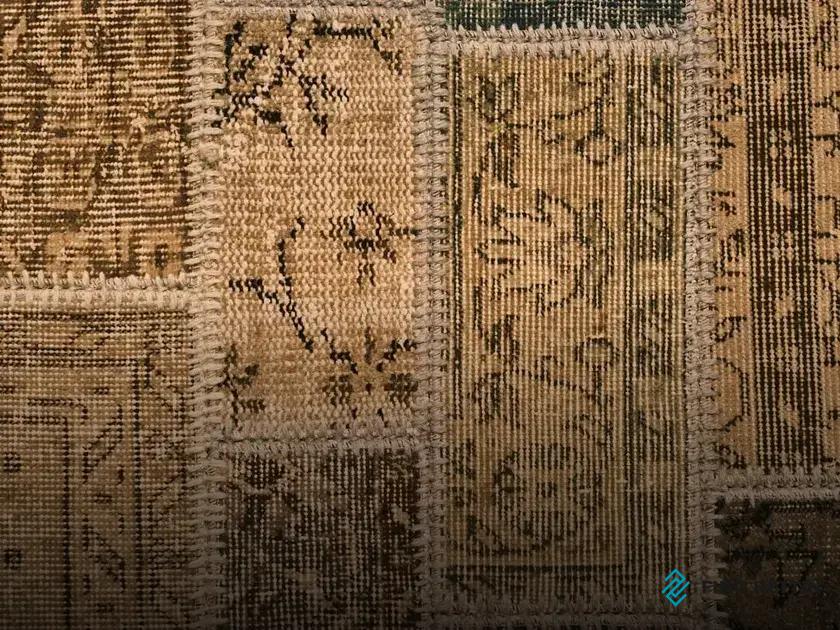
Tufted carpets are widely popular for their versatility and cost-effectiveness. In this article, we’ll dive deep into the process of how these carpets are made, explore the benefits they offer, and weigh the drawbacks you need to consider. Whether you’re choosing a carpet for your home or office, understanding these aspects will help in making an informed decision. Let’s unravel the details!
Understanding the Tufting Process
The tufting process is integral to crafting quality carpets. It involves inserting yarn through a primary backing material by using needles. This technique forms loops, creating a pile on the surface of the carpet.
The journey starts with the primary backing, a woven or non-woven fabric providing foundational strength and stability. Machines hold thousands of needles, and each needle pushes yarn through this backing to form loops or tufts. These loops can ultimately be cut to create cut pile carpets or kept intact to create loop pile carpets.
Manufacturers use varied types of yarns during this stage, such as wool, nylon, or polyester, each contributing different characteristics to the final product. The color and texture of these yarns are predetermined, enhancing the aesthetic appeal of the carpet.
The speed and efficiency of tufting contribute to its popularity, making it cost-effective compared to other carpet production methods. After tufting, a secondary backing is applied to stabilize the structure, ensuring durability and longevity. This additional layer enhances the resilience and shape retention of the finished carpet.
Quality control is crucial throughout the process. Inspections ensure uniformity in the tuft density and detect any defects or inconsistencies in the fabric, maintaining high standards before the carpets are prepared for distribution.
The tufting process allows for versatility in design. From intricate patterns to vibrant colors, it supports a wide array of choices for consumers aiming to complement their interior decor seamlessly.
Advantages of Tufted Carpets
Durability and Strength: One of the key benefits of tufted carpets is their outstanding durability. Made using advanced manufacturing techniques, these carpets are designed to withstand heavy foot traffic without showing signs of wear. This makes them an excellent choice for high-traffic areas in both residential and commercial spaces. Their strength ensures long-lasting performance, which offers great value for your investment.
Variety in Design: Tufted carpets come in an extensive range of styles, colors, and patterns. Whether you prefer a modern or traditional aesthetic, there’s a tufted carpet to match it. The variety ensures that you can find the perfect match to complement your interior decor. This flexibility allows you to experiment with different design elements without being constrained by limited options.
Cost-Effectiveness: When it comes to affordability, tufted carpets are a popular choice. Their cost-effective nature does not compromise on quality, making them an attractive option for budget-conscious homeowners or business owners. The combination of affordability and quality makes tufted carpets a smart financial decision, especially for large projects.
Comfort and Aesthetic Appeal: These carpets also offer a soft and luxurious feel underfoot, enhancing the overall comfort of the space. The plush texture of tufted carpets adds an element of opulence and warmth, making them ideal for areas where comfort is a priority, such as living rooms and bedrooms.
Sound Absorption
Aside from being stylish, tufted carpets also provide excellent sound absorption qualities. This feature significantly reduces noise levels within a room, creating a quieter and more peaceful environment. It’s particularly beneficial in office settings where reducing ambient noise is crucial for maintaining focus and productivity.
Easy Installation and Flexibility: The installation process for tufted carpets is straightforward and quick. This ease of installation reduces labor costs and time spent on setup. Additionally, these carpets are versatile and can be installed over various types of flooring surfaces, offering flexibility in redecorating projects.
Disadvantages You Should Consider
One primary disadvantage of tufted carpets is their susceptibility to wear and tear. The way they are constructed, with tufts of yarn punched through a backing, can sometimes lead to loose threads over time. This is especially true in high-traffic areas or homes with pets. Owners may notice that tufted carpets start to look worn and less pristine earlier than other types.
Another downside is the potential for staining. Many tufted carpets are crafted using natural fibers like wool, which can absorb spills quickly, leading to stubborn stains. Without prompt cleaning, these stains may become permanent, detracting from the carpet’s appearance.
The acoustic properties of tufted carpets can also be a disadvantage. While they do provide a cushioned feel, they might not offer the same level of sound insulation as, say, thicker carpets or those made from dense materials. In open spaces or busy households, this could mean more noise and less tranquility.
Beyond physical properties, the environmental impact of tufted carpets may be a concern for eco-conscious buyers. Some are composed of synthetic materials that are not biodegradable, contributing to landfill waste. Even wool variants, though natural, require significant resources in their creation and may not always come from sustainably managed sources.
It’s essential to consider these factors when selecting a carpet type, especially if durability and environmental impact are top priorities for you. Understanding the trade-offs involved can ensure that you make an informed decision that balances aesthetics with practicality.
Choosing the Right Tufted Carpet
When choosing the right tufted carpet, consider the placement within your home or office. Assess the foot traffic in the area as this will influence the durability requirements. For high-traffic areas, select carpets with tighter tufts and lower pile height to minimize wear. Colors and patterns can hide dirt and stains, ideal for busy spaces. In quieter zones, like bedrooms, softer and plushier options bring comfort.
Examine the carpet’s backing material, as it provides additional support and affects the overall durability. Opt for a carpet with a quality backing to extend its lifespan. Look for options that are stain-resistant or have been treated for stain and water resistance. This feature is essential to maintain the carpet’s appearance over time.
Tufted carpets come in an array of fibers, including wool, nylon, polyester, and blends. Wool offers natural softness and is eco-friendly but comes at a higher cost. Nylon is durable and stain-resistant, making it a popular choice for families. Polyester is generally more affordable and retains color well, while fiber blends can provide a combination of benefits depending on your needs.
Finally, consider your budget and use it as a guide to select the best option available within your price range. Prioritize factors like durability, aesthetic appeal, and the specific needs of each space when making your final choice.
Maintenance Tips for Longevity
To ensure your tufted carpets last for many years, it is essential to follow specific maintenance practices that uphold their quality and appearance. Start by implementing a regular vacuuming routine to remove dirt and debris, which can cause wear over time. For high-traffic areas, vacuum more frequently to maintain the carpet’s integrity.
Address spills and stains immediately to prevent permanent damage. Blot, don’t rub, the affected area and use a mild carpet cleaner suitable for tufted materials. Periodically rearranging furniture can help distribute wear evenly and prevent depressions in the carpet.
Avoid direct sunlight exposure, as it can cause fading. Use curtains or blinds to protect the carpet from UV rays. Every year or two, consider a professional deep clean to remove embedded dirt and refresh the fibers.
Though tufted carpets are durable, proper care ensures their visual appeal and structural longevity, making them a worthwhile investment for any home or office environment.

 Future Trends in Carpet Design and Manufacturing: What’s Next?
  Timeless Carpet Designs That Never Go Out of Style
  Best Carpet Styles for Small Spaces: Discover Top Choices