
Sustainable carpet trends are not just about style; they are a reflection of growing environmental awareness. The future of carpeting is being shaped by eco-friendly innovations and responsible material choices. As we delve into these trends, understanding why sustainability in carpets matters becomes essential. Eco-friendly design trends and technological advancements are redefining how we perceive our living spaces. Stay tuned as we explore innovative materials transforming the industry and provide tips on choosing the best sustainable carpets for your home.
Why Sustainability in Carpets Matters
Understanding the value of sustainability in carpets is essential for various reasons. Firstly, carpets cover a significant amount of our living spaces, and choosing sustainable options can reduce our carbon footprint. Sustainable carpets are often made from renewable materials such as wool, recycled nylon, and plant fibers. These materials not only reduce environmental impact but also offer durability and safety concerning indoor air quality.
Furthermore, sustainable carpets often involve innovative production processes that minimize waste and energy consumption. This can include practices like closed-loop recycling, where used carpets are recycled back into new carpet materials, reducing the need for virgin resources.
Another vital factor to consider is the
ethical production
of carpets. Sustainable options often ensure fair labor practices and support local communities. By choosing such carpets, consumers contribute to a more equitable global economy.
Health is also a significant concern. Sustainable carpets tend to avoid harmful chemicals such as volatile organic compounds (VOCs), making them safer for indoor environments. This can be particularly beneficial for households with children or individuals with allergies.
Thus, opting for sustainable carpets is not only a choice that benefits the environment but also enhances the quality of life within your home by providing a healthier and more ethical living space.
Innovative Materials Shaping the Future
The carpet industry is paving the way for a more sustainable future through the use of innovative materials. These materials are not only eco-friendly but also offer durability and style. One of the notable materials gaining traction is recycled plastic fibers. These fibers are made from post-consumer plastic bottles and waste, providing a new life to materials that would otherwise end up in landfills.
Additionally, natural fibers like wool, sisal, and jute are making a comeback due to their biodegradable properties. Wool, for instance, is a renewable resource that offers excellent insulation and comfort, adapting well to various climates.
Another promising innovation is the development of biodegradable adhesives used in carpet backing. Traditional adhesives often contain harmful chemicals, but new formulations aim to reduce the environmental impact without sacrificing performance.
Moreover, manufacturers are exploring bio-based polymers, which are synthesized from natural sources like corn and sugarcane. These polymers are less reliant on fossil fuels and contribute to reducing the overall carbon footprint of carpets.
These
innovative materials
not only align with eco-conscious consumer preferences but also enhance the aesthetic and functional aspects of modern carpets. The future of carpeting is moving towards a harmonious balance of sustainability and innovation, setting a new standard in the flooring industry.
Design Trends for Eco-Friendly Carpets
Modern carpet design focuses on sustainability without sacrificing style. One of the prevailing design trends is the integration of natural hues and patterns that reflect the organic textures found in nature. These carpets often feature earthy tones like green, beige, and brown, which not only promote a sense of calm but also complement a variety of interior styles.
Another significant trend is the use of minimalist designs. With a focus on simplicity, these carpets avoid intricate patterns, opting instead for subtle textures that add depth while remaining environmentally friendly. The minimalist approach is not only timeless but also allows for greater flexibility in styling.
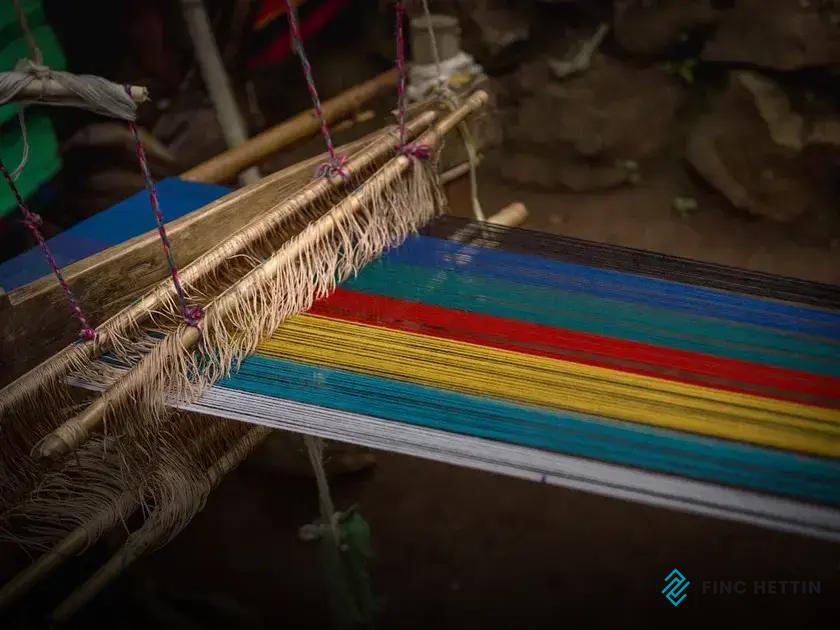
Meanwhile, there is a growing appreciation for artisanal craftsmanship. Eco-friendly carpets that are handcrafted using traditional techniques from local artisans lend a unique touch to homes while also supporting sustainable practices. This trend emphasizes the value of quality over quantity, ensuring carpets are made to last.
The use of dyes made from natural materials is another trend gaining traction. These naturally derived colors avoid harmful chemicals, promoting a healthier indoor environment. Additionally, they provide a more authentic, vibrant color palette.
Emphasis on multi-functional carpets is also shaping the eco-friendly carpet industry. Designs now often include additional features such as sound absorption or thermal insulation, aligning with the holistic approach to sustainability by addressing various needs through a single product.
Finally, customizable designs are enabling consumers to partake in sustainable design. By choosing patterns, colors, and materials that fit their personal ethos and decor, consumers not only engage in an eco-friendly lifestyle but also help drive the market towards more sustainable options.
The Role of Technology in Sustainable Carpeting
Technology has become a key driver in the evolution of sustainable carpeting. By integrating advanced manufacturing techniques, the industry is now able to reduce waste and energy consumption significantly. One example is the use of 3D printing technology, which allows for precision in carpet production and minimizes surplus materials.
Smart Carpet Technology
is another exciting development. These carpets can adjust their insulation properties based on climate conditions, thus enhancing energy efficiency in homes and offices.
Additionally, many manufacturers are investing in recycling technologies that enable old carpets to be broken down and used as raw materials for new products, closing the loop in carpet lifecycle management. Innovations in natural fiber processing have also made it possible to use rapidly renewable resources like bamboo and sisal, which are both durable and environmentally friendly.
Digital Tools
are aiding consumers in making informed decisions about carpet sustainability. Smart apps offer data on various carpet materials’ environmental impacts, helping homeowners choose options that align with their sustainability goals.
Moreover, technology-driven improvements in production transparency are critical. QR codes and other tracking systems provide detailed information about a carpet’s supply chain, ensuring ethical sourcing practices. Thus, technology enhances not only the functionality and aesthetics of carpets but also their sustainability credentials. By incorporating these high-tech solutions, the carpet industry is poised to meet the demands of eco-conscious consumers while paving the way for a more sustainable future.
How to Choose Sustainable Carpets
Choosing a sustainable carpet involves a careful examination of various factors that contribute to the overall eco-friendliness of the product. Material choice is critical when selecting sustainable carpets. Look for carpets made from renewable, biodegradable, or recycled materials. Wool is a popular choice due to its natural and renewable qualities, but consider carpets made from recycled nylon or polyester, which help reduce waste.
In addition, examine the carpet’s backing. Traditional carpet backings often use synthetic latex or polypropylene, but more environmentally friendly options, such as natural latex or jute, are available.
Consider the dyeing processes used. Opt for carpets dyed with non-toxic, low-impact dyes. Natural dyeing methods are preferable as they minimize chemical usage and water contamination.
Another crucial factor is the carpet’s lifespan. Choose durable options that require less frequent replacement, as this reduces overall consumption and waste. Assess the manufacturer’s reputation and commitment to sustainability. Companies with transparent practices and certifications, such as Cradle to Cradle or Green Label Plus, often offer more reliable sustainable products.
Additionally, consider indoor air quality. Look for carpets with low or zero VOC emissions, ensuring a healthier indoor environment.

 Future Trends in Carpet Design and Manufacturing: What’s Next?
  Timeless Carpet Designs That Never Go Out of Style
  Best Carpet Styles for Small Spaces: Discover Top Choices