
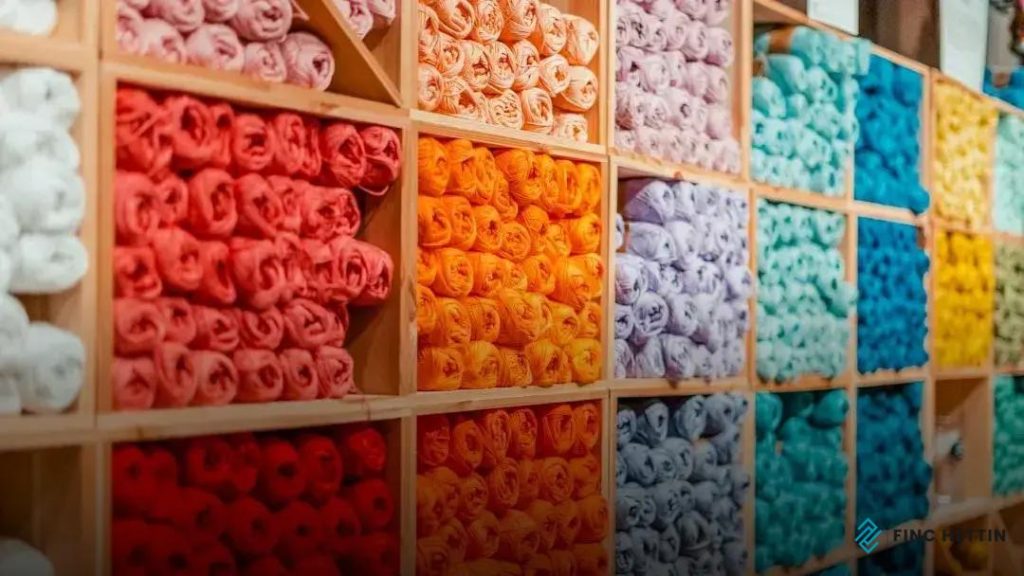
Plant-based dyes in carpet design are transforming the industry by offering eco-friendly and vibrant alternatives. As consumers seek sustainable solutions, these natural dyes gain popularity. This shift not only benefits the environment but also brings a new wave of creativity to carpet design. Delve deeper into the world of plant-based dyes as we explore their rise, environmental benefits, and their innovative applications in modern carpet design.
The Rise of Plant-Based Dyes
In recent years, the demand for eco-friendly alternatives in design has grown significantly. Plant-based dyes, derived from natural sources like flowers, leaves, and roots, have surged in popularity. This rise is fueled by increased awareness of the environmental impact of synthetic dyes traditionally used in textile production.
One of the key advantages of plant-based dyes is their sustainability. These dyes are biodegradable and non-toxic, making them an excellent choice for carpet design. As consumers become more environmentally conscious, they are opting for products that align with their values, pushing designers to innovate with natural materials.
Moreover, plant-based dyes offer a palette of unique colors that cannot be replicated with synthetic dyes. The shades produced are often more subdued and earthy, providing a natural and organic look that is highly sought after in today’s interiors.
The shift towards plant-based dyes also reflects a broader trend in the design industry. Designers are increasingly interested in incorporating recycled and renewable materials into their work, aiming for minimal waste and maximum sustainability.
This trend is not just reshaping the way carpets are made but also influencing consumer behavior, as more people look for products that reduce their carbon footprint while providing style and comfort. With the increasing collaboration between scientists and designers, the future looks promising for plant-based dyes in the carpet industry.
Benefits for the Environment
The use of plant-based dyes in carpet design has numerous environmental benefits. These natural dyes are derived from renewable resources, which significantly reduces dependence on synthetic chemicals that can be harmful to the environment. Since plant-based dyes are biodegradable, they do not accumulate in the ecosystem, reducing pollution and helping maintain ecological balance. Furthermore, producing these dyes typically requires less water and energy compared to their synthetic counterparts, contributing to conservation efforts. Another advantage is that they often come from waste materials or by-products of other processes, thus minimizing waste. This sustainable practice not only supports biodiversity but also reduces carbon footprint by avoiding petroleum-based products. Environmental sustainability is increasingly important today, and plant-based dyes offer a viable alternative to improve the health of our planet.
How Plant-Based Dyes Are Made
The creation of plant-based dyes involves several intriguing processes that harness nature’s vibrant colors. Harvesting is the first crucial step, where natural materials like flowers, leaves, and roots are gathered. The color intensity can vary depending on the plant’s growth conditions and harvesting time. Once the materials are collected, they are prepared by cleaning and drying.
This preparation is followed by extraction, where these natural components are boiled or soaked to release their pigments. For instance, boiling red sandalwood might yield a rich hue, whereas indigo leaves require a process of fermentation. Each plant demands unique conditions for optimal pigment release, a phase crucial for ensuring the depth and stability of the dye.
Next, the filtering and straining processes ensure a pure dye solution, free from unwanted solids. This step is essential to obtain a smooth finish in the final product. Mordants, such as alum, may be used to fix the dyes onto fibers. This chemical bonding is vital to ensure the color adheres effectively, providing long-lasting vibrancy.
The resulting dye is then applied to textiles or fibers through various techniques, including immersion or direct application. The absorption and fixation processes depend on the type of fiber being dyed, as different fibers respond to natural dyes in varied ways.
With a meticulous balance of art and science, the craft of making plant-based dyes is both an homage to tradition and a step towards a sustainable future in carpet design. These eco-friendly dyes are celebrated for their unique, earthy tones and the reduced environmental footprint compared to synthetic alternatives.
Innovative Carpet Designs
Today, the world of carpet design is embracing a wave of innovation driven by eco-conscious trends. One of the most exciting developments is the use of plant-based dyes, which are changing the game for environmentally friendly interior design. These dyes offer a palette of colors that are both vibrant and sustainable, catering to a growing demand for green living options.
Designers are exploring textiles that not only look good but also abide by environmental stewardship. With plant-based dyes, carpets can showcase vivid hues derived from natural sources like berries, roots, and leaves. This move allows carpets to become not just floor coverings, but artistic expressions that embody eco-friendly practices.
Furthermore, the non-toxic nature of these dyes ensures that carpets can be a healthy choice for homes, a particularly important aspect for families and pet owners. The designs strive to create a harmonious blend of aesthetic appeal and sustainability, ensuring that buyers don’t have to compromise on style while adhering to their environmental values.
In the realm of Innovative Carpet Designs, this approach represents a shift from conventional methods, pushing towards a future where sustainability and fashion work hand in hand. These advancements not only benefit the planet but also set a new standard in the design industry for others to follow.
Future of Sustainable Carpeting
As the environmental impact of traditional carpet production comes under scrutiny, the industry is quickly turning towards plant-based dyes as a sustainable alternative. These natural colorants are derived from renewable resources such as fruits, vegetables, and flowers, offering a wide spectrum of vibrant hues that don’t compromise the aesthetics or performance of modern carpets.
One key advantage of plant-based dyes is their low toxicity. Unlike synthetic dyes, which can release harmful chemicals during both production and disposal processes, plant-based dyes are biodegradable and environmentally friendly. They help reduce the carpet’s ecological footprint, aligning perfectly with the industry’s eco-friendly trends.
Additionally, there is a growing market demand for products that are both beautiful and sustainable. Consumers are increasingly aware of their environmental impact, seeking out home decor options that reflect their green values. Carpeting is no exception, with plant-based dyed carpets meeting these needs beautifully.
As technology advances, the extraction and application processes of these dyes are becoming more efficient and cost-effective. Leading manufacturers are investing in research and development to enhance the intensity and duration of colors available through plant-based dyes.
With continuous innovations, plant-based dyes are not just a trend but a pivotal aspect of the carpet industry’s future, shaping sustainable carpeting options that are both appealing and ethical.

 Future Trends in Carpet Design and Manufacturing: What’s Next?
  Timeless Carpet Designs That Never Go Out of Style
  Best Carpet Styles for Small Spaces: Discover Top Choices