
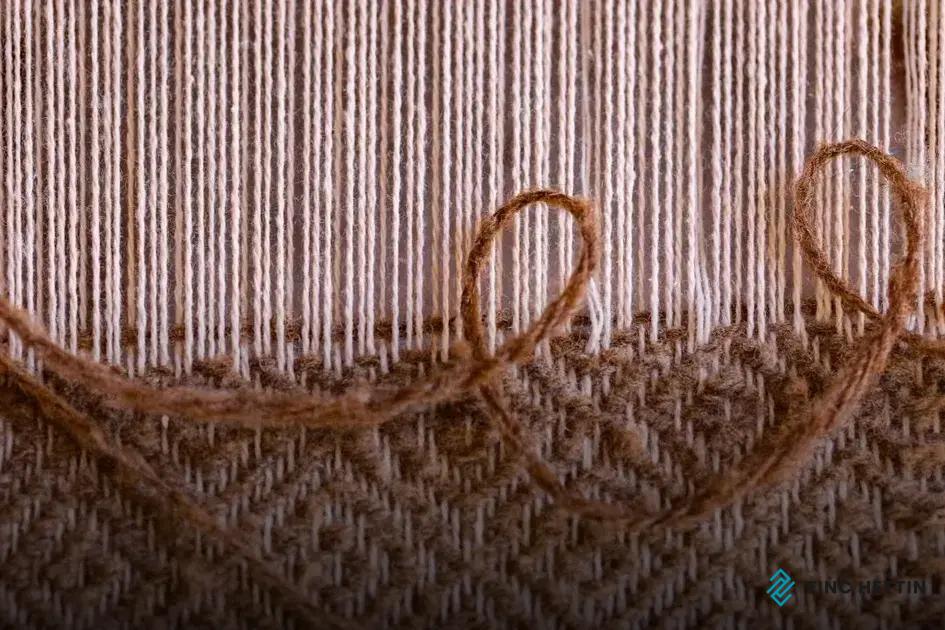
Are you unsure about choosing between handmade and machine-made carpets? Understanding the key differences can guide you to make an informed decision. Handmade carpets are known for their unique craftsmanship, while machine-made carpets offer consistency and affordability. Let’s dive into the features of each, explore their differences, understand the durability, and assess the cost implications. This guide will help you decide which type of carpet best suits your needs.
Understanding Handmade Carpets
Handmade carpets, also known as handcrafted or hand-knotted rugs, have a rich history and unique characteristics that differentiate them from their machine-made counterparts. One of the key features of handmade carpets is the artistry and skill involved in their creation. Each rug is a testament to the craftsmanship passed down through generations, often involving intricate designs that are both visually stunning and culturally significant.
Handmade rugs are typically produced on a loom, using techniques such as knotting, weaving, or tufting, depending on the region and style. The process is time-consuming, sometimes taking months or even years to complete a single rug. This attention to detail and dedication results in one-of-a-kind pieces, with slight variations that add to their charm and exclusivity.
Another distinguishing factor of handmade carpets is the materials used. Often, natural fibers like wool, silk, or cotton are chosen, which provide a soft texture and a luxurious feel. The use of natural dyes also ensures vibrant colors that tend to last longer without fading. This durability and quality make handmade carpets a long-term investment, capable of becoming a treasured family heirloom.
Beyond aesthetics, handmade carpets offer environmental benefits, as they are produced using sustainable practices and materials, making them an eco-friendly choice for conscientious consumers. Overall, understanding the nuances of handmade carpets is essential when considering them for your home, especially in comparison with machine-made options.
Features of Machine-Made Carpets
Material: Machine-made carpets often use synthetic fibers like nylon, polyester, or olefin, making them more affordable and available in a wide range of designs and colors. These materials are durable and stain-resistant, ideal for high-traffic areas.
Production Process: Manufactured with advanced technologies, machine-made carpets typically come from large weaving machines. This process ensures precise and uniform patterns, allowing for various designs. The automated process offers consistency, achieving a polished appearance.
Cost and Availability: Generally, these carpets are less expensive than handmade counterparts due to lower labor costs. They are readily available in numerous styles, sizes, and shapes, making them a practical option for those on a budget.
Design Variety: Machine-made carpets offer a vast array of designs, from traditional patterns to modern art-inspired creations. The automated production allows for quick design changes, adapting to contemporary trends and styles.
Durability and Maintenance: While less durable than handmade options, machine-made carpets still provide a reasonable lifespan with proper care. Easy to clean and maintain, they are suitable for households with pets or children, as they manage spills and accidents well.
Comparing Durability
When evaluating durability in carpets, it’s essential to understand the inherent differences between handmade and machine-made options. Handmade carpets are crafted with attention to detail, often resulting in a tighter weave and more robust construction. This meticulous process typically uses natural fibers such as wool or silk, which contribute to the longevity of the carpet. In contrast, machine-made carpets are produced in bulk using synthetic materials like nylon and polyester. These materials can be durable but may not offer the same lifespan as natural fibers. Machine processes tend to be more standardized, which can lead to consistency in quality but may lack the personalized touch that a handmade carpet boasts.
Keep in mind that handmade carpets often improve with age. The natural fibers soften and become more lustrous over time, enduring generations if maintained properly. On the other hand, machine-made carpets might display wear and tear more quickly, particularly in high-traffic areas. However, advancements in technology have led to more durable synthetic options that simulate some of the qualities of natural materials.
In conclusion, when comparing durability, consider not just the materials but also the crafting process. With proper care, a well-made carpet, whether handmade or machine-made, can serve your needs efficiently over a long period.
Cost Implications
When considering the cost implications between handmade and machine-made carpets, it is crucial to consider the various aspects that contribute to their pricing. Handmade carpets often come with a higher price tag. This is largely due to the craftsmanship involved in their creation, which requires significant time and effort by skilled artisans. Furthermore, the materials used in handmade carpets, such as natural wool and silk, tend to be of high quality and are more expensive than synthetic options.
On the other hand, machine-made carpets are often more affordable. These carpets are produced in less time and require less manual labor, allowing manufacturers to sell them at lower prices. The use of synthetic fibers, which are less costly than natural fibers, further reduces the overall cost.
While handmade carpets may demand a larger initial investment, they often offer better longevity and unique designs. In contrast, the affordability of machine-made carpets makes them an attractive option for those on a tighter budget or for temporary use. Consider the balance between quality and budget when making your choice.
How to Make the Right Choice
When deciding between handmade and machine-made carpets, several factors should be considered to ensure that you make the right choice for your needs and preferences. Each type of carpet has its unique benefits and drawbacks, and understanding these can guide your decision-making process.
Consider the Aesthetic Appeal: Handmade carpets often offer a more unique and artistic appearance due to the skill and artistry involved in their creation. They can serve as conversation pieces and add a touch of luxury to any room. On the other hand, machine-made carpets are produced with precision and can provide a wide array of modern design options, suitable for contemporary settings.
Think About Usage and Placement: Where the carpet will be placed can strongly influence your choice. Handmade carpets are ideal for low-traffic areas where they can be admired and remain pristine for longer periods. For high-traffic areas, like living rooms or hallways, machine-made carpets, which are generally more durable and easier to clean, might be a practical choice.
Evaluate Budget Considerations: Affordability can also sway your decision. Handmade carpets, due to their labor-intensive production and craftsmanship, tend to be more expensive. If budget constraints are a major factor, machine-made carpets offer a cost-effective solution with good durability.
Reflect on Environmental Impact: Those who are environmentally conscious might favor handmade carpets, as they are often made with natural fibers and processes. Conversely, mass production of machine-made carpets can involve synthetic materials and processes that might not be as eco-friendly.
By weighing these factors carefully, you can make a decision that aligns with your aesthetic preferences, practical needs, and ethical considerations, ensuring that your choice of carpet is one that brings satisfaction and comfort into your home.

 Future Trends in Carpet Design and Manufacturing: What’s Next?
  Timeless Carpet Designs That Never Go Out of Style
  Best Carpet Styles for Small Spaces: Discover Top Choices