
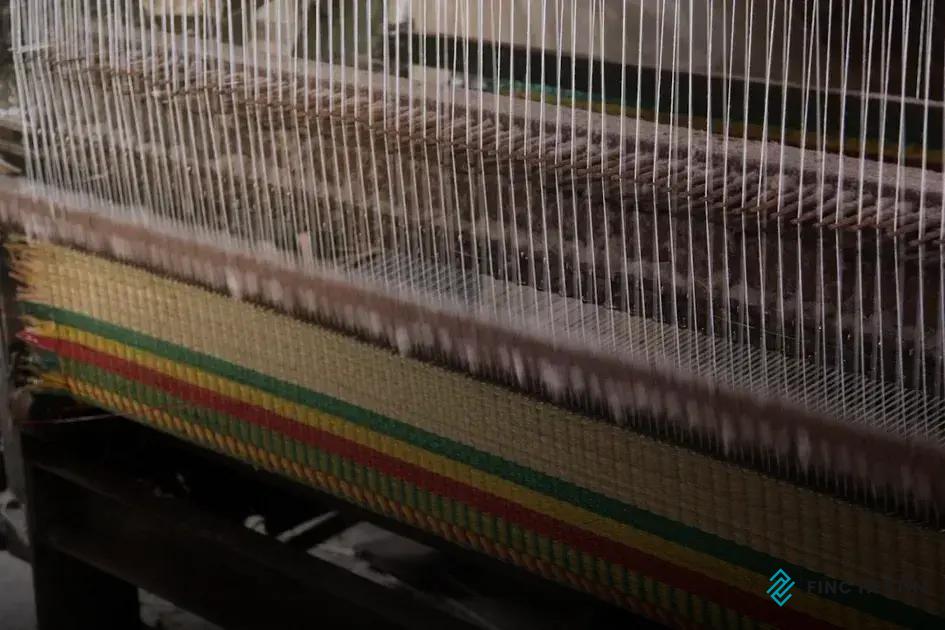
Carpet Tiles: Modular Flooring Solutions offer a versatile approach to modern flooring. Whether transforming a workspace or personalizing a residential area, carpet tiles provide flexibility, easy installation, and a wide variety of design options. Discover the benefits as you explore how to choose and maintain carpet tiles for any space.
Benefits of Carpet Tiles
One of the main advantages of carpet tiles is their versatility. They are available in a wide array of colors, patterns, and textures, allowing for endless design possibilities. Whether you’re creating a traditional look or a modern aesthetic, carpet tiles can be easily arranged to suit any decor style.
Carpet tiles are also highly cost-effective. Due to their modular nature, you can replace individual tiles if they become stained or damaged, rather than replacing the entire carpet. This feature not only saves money but also reduces waste, making it a more sustainable flooring choice.
Easy installation is another significant benefit. Unlike traditional carpet rolls that require professional installation, carpet tiles can typically be installed by DIY enthusiasts. Their peel-and-stick backing or interlocking design simplifies the process, making it accessible even for beginners.
Furthermore, carpet tiles offer enhanced durability compared to traditional carpeting. They are designed to withstand high traffic and are often suitable for both residential and commercial spaces. Their robust nature means they’ll maintain their appearance for longer, even in areas subject to wear and tear.
How to Install Carpet Tiles
Carpet tiles are an excellent option for creating a unique and modern look in any space. When you install carpet tiles, you get the flexibility to design and customize your flooring. Begin by gathering essential materials such as carpet tiles, measuring tape, utility knife, adhesive, and a ruler.
Start with a clean surface. Ensure the floor is free from dust, moisture, and debris. It’s crucial to have a smooth surface to prevent bumps and ensure the tiles adhere properly.
With your measuring tape and ruler, plan the layout. Begin at the center of the room and work your way outwards. This helps in achieving a balanced and symmetrical appearance.
Arrange the tiles
without adhesive first to get a visual sense of your planned layout.
Once satisfied with the arrangement, apply adhesive to the first section. Lay the first tile, aligning it with your markings. Press firmly to ensure a secure fit. Continue laying tiles row by row or in a quadrant approach.
If you face obstacles like corners or doorways, you may need to cut the tiles for a perfect fit. Use a utility knife with care to ensure clean cuts.
Avoid gaps or overlaps during installation. Once all tiles are set in place, examine the entire area to ensure they are secure, and no edges are lifting.
With these steps, you can achieve a professional-looking finish that enhances the beauty and functionality of your room.
Design Options for Modular Flooring
Design Options for Modular Flooring: Carpet tiles offer a range of design options that can transform any space. With modular flooring, you can choose from various patterns and colors to match your interior decor. Carpet tiles allow for unique designs, like checkerboard or herringbone patterns, providing a custom look tailored to your taste. You can also mix and match tiles to create a bespoke aesthetic that aligns with modern design trends. The flexibility of carpet tiles enables you to easily switch out specific tiles for fresh designs or seasonal changes. They are available in an array of textures, which can add depth and character to your space. This versatility makes them an ideal choice for both home and commercial environments, where design needs may frequently change. Additionally, many carpet tile manufacturers offer eco-friendly options, utilizing recycled materials without compromising style, making them a sustainable choice. Consideration of design options in modular flooring extends beyond just aesthetics; it’s about creating a functional, adaptable, and stylish floor that enhances the overall space.
Maintenance Tips for Carpet Tiles
Maintaining carpet tiles effectively ensures they remain a durable and appealing flooring choice for any modern space. Here are some essential maintenance tips:
- Regular Vacuuming: Joy in keeping your carpet tiles clean begins with regular vacuuming. Dust, dirt, and debris are inevitable, but consistent vacuuming helps prevent them from embedding into the fibers, maintaining your tiles’ appearance and longevity.
- Spot Cleaning: Accidents happen, and when they do, immediate attention is critical. Use a mild detergent mixed with water, gently blotting (never scrubbing) the stain to avoid spreading or damaging the carpet fibers.
- Deep Cleaning: Periodically, consider employing professional carpet cleaners who utilize steam cleaning or dry cleaning methods tailored for carpet tiles. This not only enhances cleanliness but also revitalizes the tiles and maintains their texture.
- Tile Rotation: To ensure even wear and prolong the life of your flooring, occasionally swap high-traffic area tiles with those from lesser-used spaces.
- Regular Inspection: Check for loose tiles or signs of wear that may require immediate attention or replacement. Swift repairs prevent further damage and maintain the overall look of your flooring.
By adhering to these maintenance practices, you ensure your carpet tiles remain a practical and visually appealing choice for any space.
Comparing Carpet Tiles to Traditional Carpeting
Carpet tiles and traditional carpeting each offer unique advantages, but they serve different purposes. Carpet tiles are gaining popularity due to their modular design, making them particularly suited for modern spaces. They allow for easy customization, enabling the creation of intricate patterns and designs without excessive labor. Traditional carpeting, on the other hand, offers a more seamless appearance due to its broadloom style but lacks the flexibility of carpet tiles.
One of the major advantages of carpet tiles is their installation process. They do not require adhesive, making them less permanent than traditional carpeting and offering greater flexibility in layout and design changes. In contrast, traditional carpeting usually involves extensive labor and professional installation.
Durability is another factor where carpet tiles have a competitive edge. If a section of the flooring gets damaged or stained, replacing individual tiles is straightforward and cost-effective. However, traditional carpeting typically requires replacing entire sections, which can be both costly and inconvenient.
Environmental Impact
When comparing the environmental implications, carpet tiles are often made from recycled materials and produce less waste. The precision cutting that occurs with carpet tiles minimizes excess material, whereas traditional carpets often leave behind more waste.
Finally, acoustic properties vary between these two options. Carpet tiles can provide sound absorption benefits similar to traditional carpeting, but their modular design enables users to enhance their soundproofing by strategically selecting tiles with different densities and piles.

 Future Trends in Carpet Design and Manufacturing: What’s Next?
  Timeless Carpet Designs That Never Go Out of Style
  Best Carpet Styles for Small Spaces: Discover Top Choices