
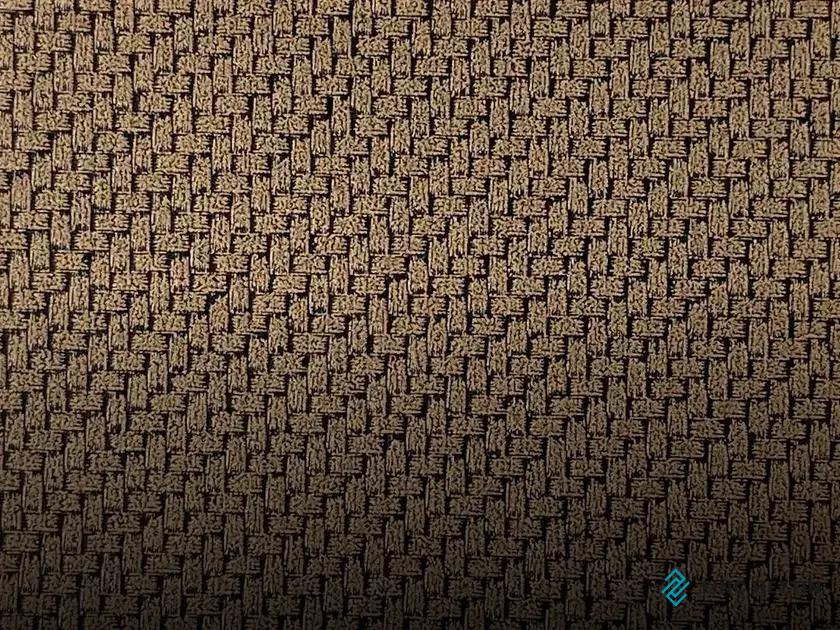
Wilton carpet weaving explained! Uncover the fascinating art and rich history behind luxurious Wilton carpets. This weaving technique employs various materials and intricate designs, creating unique and timeless pieces that grace homes worldwide. From classic to contemporary styles, Wilton carpets carry a legacy of craftsmanship. Discover how this craft has evolved over the years, adapting to modern innovations while maintaining traditional methods. Ensure your Wilton carpets remain pristine with proper care and maintenance techniques. Delve into this intriguing world and embrace the elegance of Wilton carpeting in your home.
History of Wilton Carpet Weaving
The origins of Wilton carpet weaving can be traced back to the town of Wilton in Wiltshire, England. The industry began flourishing in the mid-18th century, driven by the burgeoning demand for durable and ornate floor coverings. As a coveted craft, Wilton weaving quickly gained a reputation for its intricate weaves and lush textures.
The 18th century marked a turning point as industrial progress introduced mechanized looms, notably boosting production rates without compromising quality. Wilton carpets became a symbol of prestige among the British aristocracy, renowned for their robust construction and elegant designs.
Throughout the 19th century, the craft expanded globally, with Wilton weave techniques adapted to suit various cultural aesthetics. This era saw significant advancements in yarn dyeing and pattern complexity, fueled by artistic movements of the time. The introduction of synthetic dyes allowed for a broader color palette, enhancing the visual appeal of Wilton carpets.
Fast forward to the 20th century, Wilton remained at the forefront with innovations in loom technology. The ability to mass-produce high-quality carpets allowed for greater accessibility, transforming the landscape of home and commercial furnishings. Yet, traditional craftsmanship was preserved, maintaining the authenticity and allure that initially popularized Wilton carpets.
Today, Wilton carpet weaving stands as a testament to centuries of craftsmanship and innovation. The art has matured, blending tradition with modern technology to cater to both classic and contemporary tastes. The enduring popularity of Wilton carpets reflects a rich tapestry of history, innovation, and artistry that continues to evolve.
Materials Used in Wilton Carpets
The materials used in Wilton carpets are essential to their unique character and quality. Traditional Wilton carpets utilize wool, renowned for its durability and natural resilience. Wool fibers offer a rich texture and a natural luster, making it a favored choice throughout history.
In addition to wool, nylon is commonly used in modern Wilton carpets. Nylon adds strength and stain resistance, complementing wool’s natural properties. The combination of wool and nylon ensures the carpet is not only luxurious but also practical for various environments.
Another material that is occasionally used is polypropylene. Although less luxurious than wool, polypropylene offers excellent stain resistance and affordability, making it a suitable choice for less formal settings.
Traditional plant-based dyes were historically used to color the fibers, giving Wilton carpets their rich hues. Today, synthetic dyes provide more vibrant and varied color options, enhancing the aesthetic appeal of modern designs while maintaining colorfastness.
Understanding the role of these materials highlights the intricate balance of tradition and innovation in Wilton carpet weaving, ensuring their continued popularity and adaptability through the ages.
Wilton Carpet Weaving Techniques
The weaving techniques used in Wilton carpets involve intricate methods that are time-honored and respected for their durability and artistic quality. At the core of these techniques is the use of a jacquard loom, which allows for complex patterns by controlling each thread’s movement.
This type of loom creates a distinct array of loops, known as pile loops, which are crafted into beautiful, textured designs. Unlike other methods where the pile is cut, Wilton techniques often use continuous yarns. This results in a denser fabric known for its luxurious feel.
One common technique is the three-frame system, which lets weavers produce varied textures and combine multiple colors into a single carpet effortlessly. This system provides the flexibility to interlace multiple layers of yarn, giving the Wilton its unique depth and dimension.
Precision in Every Knot
The precision in each knot and weave is integral to the Wilton approach. Every woven section is crafted with meticulous attention, ensuring consistency across the carpet. It’s this precision that promotes the durable and long-lasting quality that Wilton carpets are celebrated for.
Even with modern advancements, traditional tools and methods are still employed alongside new technologies, ensuring that the artisanal quality of these carpets is preserved. This blend of innovation and tradition keeps the Wilton methods relevant and sought-after in today’s market.
Modern Innovations in Wilton Carpet Design
The Wilton carpet industry has embraced modern technologies to enhance design precision and production efficiency. One significant innovation is digital weaving technology. This technique utilizes computer-aided design (CAD) software, which allows designers to create intricate patterns directly on a digital platform. This process not only speeds up the design phase but also enables more complex and detailed patterns that were challenging to achieve with traditional methods.
Another key advancement is the use of sustainable materials and eco-friendly dyes. With growing environmental concerns, manufacturers have shifted toward organic fibers and low-impact dyes. This shift ensures a reduction in chemical emissions and promotes healthier indoor environments. These innovations cater to environmentally conscious consumers seeking sustainable products.
Moreover, smart carpets have begun to gain traction in the market. These carpets incorporate sensors capable of detecting foot traffic, temperature changes, and even potential fall hazards. Such technology integrates seamlessly with smart homes, providing added convenience and safety.
Pattern versatility has also seen a major leap forward thanks to these innovations. Today, color variations can be applied with pinpoint accuracy, allowing for a broader palette and shading that gives depth and movement to the finished carpet.
Enhanced production techniques have made it possible to experiment with new textures, including mixed patterns that offer a three-dimensional effect. These modern techniques transform the traditional Wilton carpet from a simple floor covering into a multifunctional decorative element in contemporary spaces.
Care and Maintenance of Wilton Carpets
To ensure the longevity and beauty of your Wilton carpets, it is essential to put an effective care and maintenance routine in place. One crucial step is regular vacuum cleaning. It helps in removing dirt and debris that can become embedded in the fibers. Use a vacuum with adjustable height settings and ensure it is set to the correct level for your carpet to avoid damage.
Spot Cleaning: Spills should be addressed immediately to prevent stains. Use a clean, absorbent cloth to blot the spill gently without rubbing, which can set the stain deeper into the fibers. A mild detergent mixed with water can be used for tougher stains, but always test the cleaning solution on an inconspicuous area first.
Professional Cleaning: Periodic professional cleaning can help maintain the carpet’s appearance. It is recommended to have your Wilton carpets professionally cleaned at least once a year. This not only revitalizes the carpet’s look but also extends its lifespan.
Proper maintenance of your carpet’s backing and underlay is just as important. Ensure that the underlay is replaced when it wears out to provide continued support and protect the carpet.
While handling Wilton carpets, be cautious with furniture placement. Heavy furniture can create indentations, so use furniture coasters or rearrange furniture periodically to distribute weight evenly. Sunlight exposure can fade the vibrant colors over time, so if possible, use curtains or blinds to protect the carpet from direct sunlight.
With dedicated care and maintenance, Wilton carpets can retain their charm and serve as an elegant highlight in your home for many years.

 Future Trends in Carpet Design and Manufacturing: What’s Next?
  Timeless Carpet Designs That Never Go Out of Style
  Best Carpet Styles for Small Spaces: Discover Top Choices