
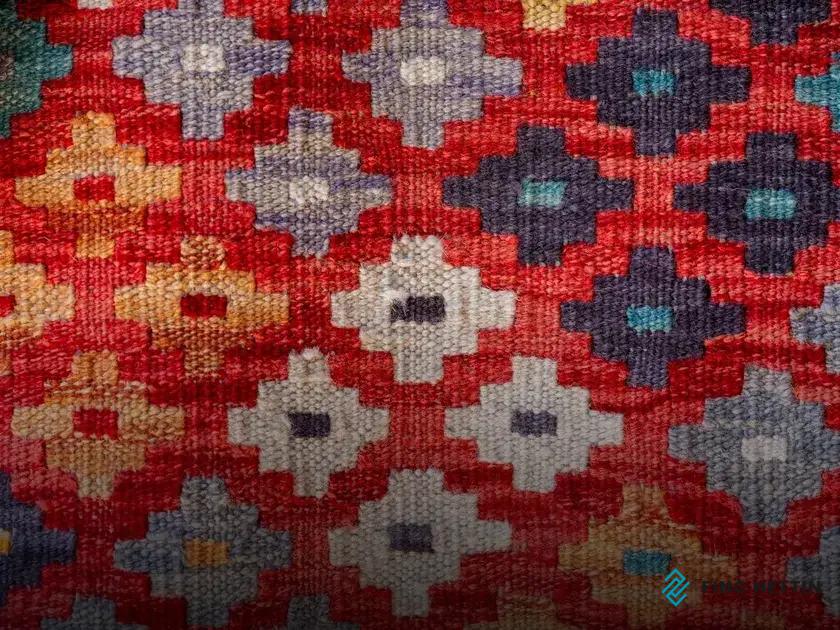
Tibetan carpets, with their unique knotting style, offer a fascinating glimpse into an ancient art form. Enriched by culture and history, these carpets are intricately crafted and bold in design. Delve into the world of Tibetan carpets, exploring their history and the unique techniques that set them apart. Understand their cultural significance and learn how to preserve these artistic treasures. Discover what makes Tibetan carpets a cherished item among collectors and enthusiasts worldwide.
History of Tibetan Carpets
The story of Tibetan carpets is rich and dates back centuries, entwined with traditions and cultural exchanges. These carpets are renowned for their distinctive knotting techniques and rich colors, often created by monks and skilled artisans. Over the centuries, Tibetan carpets have been essential in homes and monasteries, providing warmth and a connection to spiritual practices.
Originally, the art of weaving was a necessity, as high-altitude climates demanded durable and warm flooring.
The Arrival of New Techniques
Through trade routes and cultural interactions, Tibet absorbed influences from Nepal, China, and India. These exchanges enriched the designs, materials, and techniques used, evolving them to produce today’s vibrant carpets.
Development During the 20th Century saw significant changes when Tibetan refugees settled in India and Nepal. This migration spurred the preservation and global spread of traditional carpet-making techniques. These diasporas led to new patterns and styles, broadening their appeal and demand worldwide.
Modern Tibetan carpets still reflect their storied past, hand-knotted with dedication using traditional methods. Artisans continue using these methods, ensuring every carpet tells a story of its heritage, bearing motifs that signify happiness, prosperity, and protection.
The Unique Knotting Technique
The Tibetan weaving community is renowned for its skill in creating distinctive, high-quality carpets. At the heart of this artistry is a unique knotting technique that sets these carpets apart. Known as the Tibetan knot, it creates a robust and resilient texture.
This technique involves looping yarn around a rod and stitching it back into the weave. Unlike other methods that tighten knots around a single warp thread, the Tibetan knot is looped around two warp threads, which ensures a more secure hold.
The weaving is done on vertical looms, allowing artisans to employ a variety of yarn colors seamlessly. Each knot is meticulously crafted, contributing to the intricate designs and vibrant patterns that these carpets are famous for. This process, although labor-intensive, ensures longevity and durability, making Tibetan carpets a treasured item.
Artisans often use traditional tools to maintain the authenticity of the craft. The strategic placement and counting of each knot play a crucial role in the carpet’s overall appearance. This delicacy and attention to detail make every piece a work of art that tells its own story. Collectors and enthusiasts greatly appreciate the skill that goes into each knot, as it reflects a heritage that has been passed down through generations.
Materials and Craftsmanship
The intricate craftsmanship of Tibetan carpets is truly remarkable. These carpets are known for their exceptional quality, which can be attributed to the meticulous selection of materials and the expertise involved in their creation. Traditional Tibetan carpets are typically made from high-quality wool, often sourced from sheep living at high altitudes, which ensures a durable and soft texture.
The dying process is an art form in itself, using natural dyes derived from plants, minerals, and other organic sources. This not only provides a rich palette of colors but also maintains the carpets’ eco-friendliness. Skilled artisans use these dyes to create vibrant and lasting shades that distinguish Tibetan carpets from others.
An important element in Tibetan craftsmanship is the use of a wooden loom, which allows weavers to maintain precision and consistency throughout their work. Skilled weavers, often passing down techniques through generations, showcase great dexterity and attention to detail. The result is a carpet that reflects a unique blend of tradition and individual artistry.
Each stage of creating a Tibetan carpet, from sourcing materials to weaving, reflects a deep respect for culture and heritage. The artistry found in these carpets is not just in their practical application but also in their representation of a storied tradition. The blend of traditional techniques with sustainably sourced materials ensures the production of exquisite Tibetan carpets that are as enduring as the cultural legacy they embody.
Cultural Significance of Designs
The intricate designs of Tibetan carpets hold a profound cultural significance that extends beyond their aesthetic appeal. Each pattern found on these carpets reflects deep-rooted spiritual and historical meanings. The motifs often include auspicious symbols such as dragons, which symbolize power and strength, and lotus flowers that represent purity and enlightenment. These symbols are interwoven into the fabric of Tibetan life, serving not only as decorative elements but also as carriers of cultural narratives. Families use these carpets in sacred rituals, ceremonies, and as heirlooms passed down through generations, infusing them with sentimental value.
Tibetan carpets often incorporate bright colors that also bear cultural meanings. The use of vibrant reds and golds is prevalent, symbolizing prosperity and good fortune. Each color is chosen with intention, contributing to the carpet’s role as a protector of the household. Moreover, the placement of these designs can also reflect geographical origins, allowing each region to impart its unique cultural identity into the craft.
The designs are not only a reflection of cultural beliefs but also an expression of the weavers’ skills, who meticulously craft each carpet with detailed artistry. Younger generations learn these skills under the tutelage of skilled artisans, ensuring that the tradition of using symbolic designs continues unabated. Through their compelling visual narratives, Tibetan carpets connect observers to a rich cultural heritage, offering a glimpse into the values and spirituality of Tibetan civilization.
Tibetan Carpet Care Tips
To ensure the longevity and beauty of your Tibetan carpets, proper care is essential. These unique carpets, known for their distinctive knotting style, require specific maintenance techniques. Regular vacuuming is one of the most effective ways to keep your carpet free of dust and dirt. Use a vacuum with a brushless suction head to avoid damaging the delicate pile.
Spills and stains should be addressed immediately to prevent them from setting into the fibers. Blot the affected area with a clean, dry cloth, and avoid rubbing, which can cause the stain to spread. For stubborn stains, a mild detergent diluted in water can be applied, but it is important to test it on a small, hidden area first to ensure it does not alter the carpet’s color.
Protecting from Sunlight
Exposure to direct sunlight can cause the colors in your Tibetan carpet to fade over time. It is advisable to place the carpet in an area with indirect sunlight or use window treatments to filter the light. Rotating the carpet occasionally can also help distribute wear and fading evenly.
Professional Cleaning
Periodic professional cleaning is recommended to preserve the intricate details and colors of your Tibetan carpet. Ensure the cleaning service specializes in oriental or delicate rugs, as they will be more knowledgeable about the specific needs of Tibetan carpets.

 Future Trends in Carpet Design and Manufacturing: What’s Next?
  Timeless Carpet Designs That Never Go Out of Style
  Best Carpet Styles for Small Spaces: Discover Top Choices