
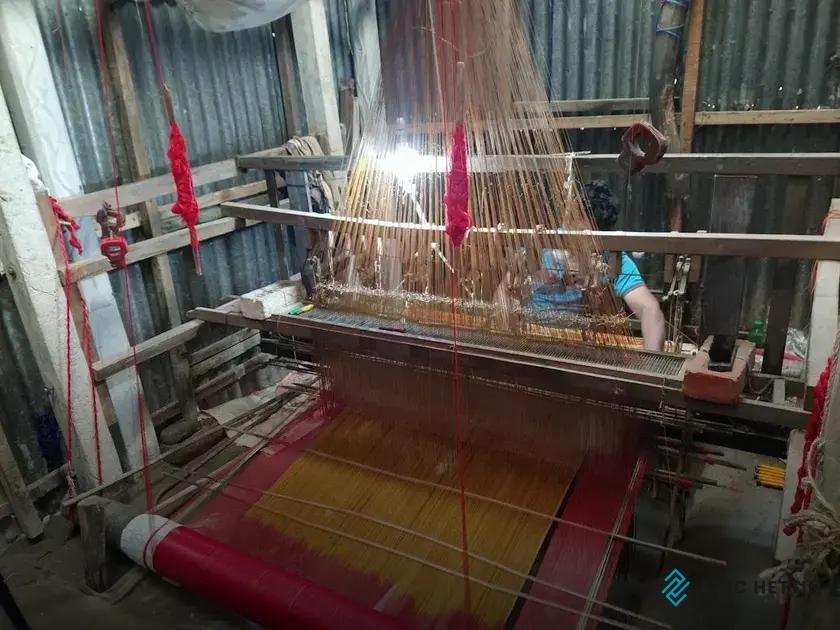
Sisal carpets are renowned for their remarkable durability and unique texture, making them a popular choice for eco-conscious homeowners. In this article, we delve into the distinct characteristics that set sisal apart from other carpet materials, offering insights into its sustainability, care, and maintenance. By understanding the inherent qualities of sisal carpets, you’ll discover why they are not only a durable option but also a stylish and environmentally friendly choice for your home.
The Unique Strength of Sisal Carpets
Sisal carpets stand out due to their remarkable strength and durability. Crafted from natural fibers derived from the agave plant, these carpets boast a robust and resilient nature. Unlike many synthetic materials, sisal can withstand heavy foot traffic, making it an ideal choice for high-traffic areas in homes and offices. Its toughness does not compromise its appearance and texture which remain attractive even with extensive use.
The resilience of sisal is further enhanced by its ability to resist wear and tear. This makes it a preferred option for families with kids and pets, as it effectively conceals scratches and stains. Natural strength is complemented by its unique texture, offering a pleasant underfoot feel that differs from other carpet materials.
Moreover, the inherent strength reduces maintenance needs. Regular vacuuming is often sufficient to maintain its pristine condition, as dirt and debris do not easily embed into its dense fiber structure. This makes sisal carpets a practical choice for anyone seeking to blend aesthetics with functionality.
Understanding the Texture of Sisal
Sisal is a natural fiber made from the agave plant, known for its durable and resilient properties. Unlike synthetic carpets, sisal has a distinctive and appealing texture that adds character to any room. The surface of sisal carpets feels coarse to the touch, which is a result of the tightly woven fibers.
The texture of sisal can be described as rustic and organic. It has a unique, tactile experience that brings a sense of nature indoors. The fibers are strong yet flexible, which gives them the ability to resist wear and tear effectively. This makes sisal carpets ideal for high-traffic areas in a home or office.
Sisal’s natural essence allows it to blend well with various design styles, from modern minimalism to traditional decor. This versatility makes sisal an excellent choice for those looking to combine aesthetics with functionality. It also boasts a natural luster that enhances its visual appeal, providing a warm and inviting atmosphere.
Furthermore, the texture of sisal offers practical benefits. The roughness provides a non-slip surface, making it a safe option, particularly in households with children or elderly individuals. Its natural fibers prevent static electricity, ensuring your home is free from static shocks.
Sisal carpets are not just about beauty; they offer remarkable durability and texture that lasts for years. Their unique texture is a testament to their natural origin and unmatched quality.
Sisal vs. Other Carpet Materials
When comparing sisal with other carpet materials like wool, nylon, or polyester, it’s important to note the unique properties each material offers. Sisal carpets are known for their exceptional durability, making them ideal for high-traffic areas. Unlike synthetic options, sisal is a natural fiber, enhancing its appeal for those seeking sustainable flooring solutions.
While wool carpets provide a soft texture and natural stain resistance, they may not match the ruggedness of sisal, especially in heavily used spaces. Wool breathes warmth and luxury into any room but comes at a higher cost compared to sisal.
Nylon carpets are celebrated for their durability and stain resistance; however, they lack the ecological benefits and unique texture sisal brings to the table. As a synthetic material, nylon might not appeal to environmentally conscious consumers.
Polyester carpets, known for their vibrant colors and affordability, still do not parallel the resilience of sisal. Although polyester is resistant to stains and fading, its long-term durability cannot rival that of sisal, particularly in busy homes or offices.
Ultimately, each carpet material serves different needs. Sisal stands apart for its unparalleled durability and eco-friendly nature, providing a natural look and feel that complements various interior designs. Consider what matters most for your space—be it appearance, longevity, or environmental impact—when choosing the right carpet material.
Sustainability and Eco-Friendliness of Sisal
Sisal is celebrated for its remarkable sustainability and eco-friendliness aspects. This natural fiber is harvested from the Agave sisalana plant, a renewable resource that requires significantly less water compared to other fiber-producing plants. The cultivation process of sisal is eco-friendly, as it supports various environmental benefits.
- Firstly, the plant is incredibly hardy, able to thrive in arid regions, which helps prevent soil erosion and sustain agricultural land. The deep-rooted structure of the sisal plant improves soil structure, enhancing its quality over time.
- Another sustainable advantage is that every part of the sisal plant is utilized. Once the fibers are extracted, the leftover plant material can be used to produce bioenergy or as compost and animal feed, reducing waste.
- Furthermore, sisal fibers are biodegradable. When a sisal carpet reaches the end of its life cycle, it decomposes naturally without harming the environment.
By choosing sisal carpets, consumers are making a conscious choice towards an environmentally responsible lifestyle. The use of sisal supports sustainable farming practices and contributes to reducing the carbon footprint, making it an ideal choice for eco-conscious individuals.
Caring for Your Sisal Carpet
Sisal carpets are a beautiful addition to any home, known for their durability and natural appeal. To maintain the longevity of your sisal carpet, regular vacuuming is essential. This prevents dirt from settling into the fibers, which can cause damage over time.
Avoid using excess water on your sisal carpet, as this can lead to shrinkage and discoloration. Instead, dab spills immediately with a clean, dry cloth. For deeper cleaning, use a dry powder cleaner. Sprinkle it on the surface and gently brush it in before vacuuming thoroughly.
Although sisal is a strong and hard-wearing material, heavy moisture exposure should be avoided. Consider placing rugs or mats in high-traffic areas to minimize wear. Furthermore, rotating your carpet regularly can help in even distribution of foot traffic, preserving its appearance.
To tackle stains, act quickly and use a mix of water and a mild dish detergent. Apply it with a damp cloth and blot, not rub, to avoid spreading the stain. It’s also helpful to test any cleaning solution on a small, hidden area first.

 Future Trends in Carpet Design and Manufacturing: What’s Next?
  Timeless Carpet Designs That Never Go Out of Style
  Best Carpet Styles for Small Spaces: Discover Top Choices