
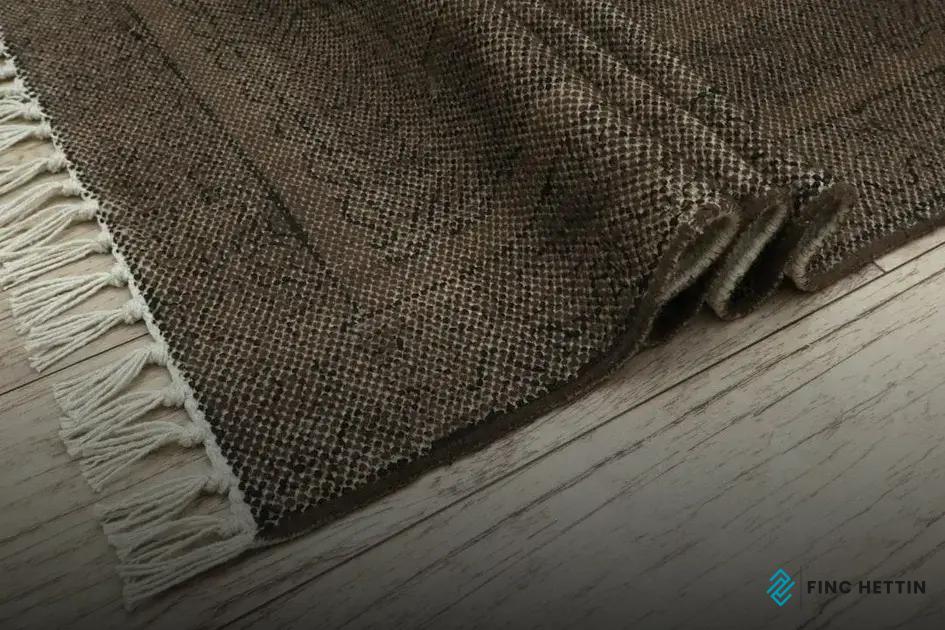
Moroccan carpets like the Beni Ourain are world-renowned for their beauty and craftsmanship. In this guide, discover the enchanting stories behind these carpets and how they are intricately woven by artisans. From the unique designs to the traditional weaving techniques and the care required, learn how these rugs bring warmth and a touch of cultural heritage into your home. Dive into the history and other authentic Moroccan carpet styles that await your discovery beyond the popular Beni Ourain.
History of Beni Ourain Carpets
The Beni Ourain carpets originate from the Berber tribes in the Atlas Mountains of Morocco. These tribes have been crafting these rugs for generations, using wool from their sheep. Traditionally, these carpets were made to keep the homes warm during the cold mountain winters.
The history of these exquisite carpets can be traced back to a long-standing cultural legacy. They are not just decorative items but represent the lifestyle and stories of the tribes that make them. The patterns and symbols found on Beni Ourain carpets often tell tales of daily life, nature, and tribal events.
Evolution Over Time
Throughout history, Beni Ourain carpets have remained faithful to their origins yet adapted to modern tastes. They maintain the original natural, undyed wool, granting them their distinctive creamy texture adorned with simple, geometric designs.
Historically, the weaving of Beni Ourain carpets was a communal activity, primarily undertaken by women of the tribe. This communal approach ensured that skills and techniques were passed down through generations, preserving the cultural heritage embedded in each design.
Unique Characteristics and Designs
Moroccan carpets are well-regarded for their unique characteristics and designs, especially when it comes to the famous Beni Ourain rugs. These carpets are traditionally handmade using natural wool from the sheep of the Atlas Mountains. Their neutral and simplistic color scheme, often consisting of black and white or cream, makes them highly versatile for various interior designs.
Many Beni Ourain carpets feature
distinct geometric patterns
, such as diamonds, lines, or crosses. These patterns are not just decorative; they hold cultural and symbolic meanings, giving each carpet an individualized story. The creation of such designs is a skill passed down through generations of Berber tribes.
Soft, thick pile is another hallmark of these rugs, providing warmth and comfort underfoot, which is particularly advantageous in colder climates. Unlike many factory-made carpets, each piece is one-of-a-kind, encompassing the artisan’s personal touch and creativity. This makes owning a Moroccan carpet not just a purchase but a piece of living art.
Beyond the Beni Ourain style, Moroccan carpets also encompass a myriad of other regional designs, such as the vibrant Boujad rugs with their abstract patterns or the bold, red-heavy tones of the Azilal carpets. Each region expresses its own cultural identity through these textiles. This range of designs and the stories they tell offer a rich exploration into Moroccan art that goes well beyond mere functionality.
Traditional Weaving Techniques
Moroccan weaving is a time-honored tradition that blends ancestral techniques with intricate designs, resulting in unique carpets. The artistry behind traditional weaving techniques can be traced back centuries, passed down from generation to generation. Artisans meticulously hand weave each carpet using high-quality wool sourced from the Atlas Mountains, ensuring durability and softness.
Knotting and weaving methods vary across regions, but one of the most cherished methods involves using the
Beni Ourain
technique. This particular method uses a simple, yet effective knotting process, allowing for the creation of thick, plush carpets that are highly appreciated globally. The weavers often use looms that are specifically made to accommodate the needs of these traditional techniques, ensuring consistency and high quality in every piece.
The patterns and motifs are significant, often reflecting the weaver’s personal experiences or stories passed through generations. These designs are not just decorative but serve as a cultural narrative, showcasing historical and communal values.
Natural dyes
play an essential role in traditional Moroccan weaving techniques. Derived from plants, minerals, and even insects, these dyes create vivid and lasting color palettes that distinguish Moroccan carpets. The process involves careful preparation and application, resulting in an extraordinary visual appeal.
Traditional weaving is not just about creating a carpet; it’s about crafting a piece of art that embodies the soul of Moroccan culture. Every step from spinning to dyeing is carefully executed to preserve the integrity and heritage of this ilustrative craft.
Caring for Your Moroccan Carpet
Regular Vacuuming: To maintain the pristine look of your Moroccan carpet, start by vacuuming regularly. Use a vacuum with a gentle brush attachment to remove dust and debris from the fibers. Pay attention to the fringes but avoid excessive pulling to prevent damage.
Spot Cleaning: For spills, immediately blot the area with a clean, dry cloth. Avoid rubbing as this might push the stain deeper. Use a mild detergent mixed with water and gently dab the stain. Rinse with a damp cloth and allow it to air dry thoroughly.
Professional Cleaning: Periodic professional cleaning is essential. Professional cleaners have the tools and expertise needed to treat delicate Moroccan carpets without damaging them. Consider a deep clean at least once every year.
Rotate Your Carpet: To ensure even wear, rotate your carpet every few months. This is particularly important if your carpet is in a high foot traffic area. Rotating helps in maintaining the even distribution of any fading or wear.
Sunlight Protection: Prolonged exposure to sunlight can lead to fading. Protect your carpet by using curtains or blinds to limit direct sunlight. If exposure is unavoidable, consider rotating the carpet regularly to balance fading.
Avoiding Moisture: Moisture can harm the fibers and lead to mold. Ensure that the carpet is kept in a dry environment. If it gets wet, dry it immediately by blotting and then air-drying it in a ventilated space.
Using Rug Pads: Utilize a rug pad underneath your Moroccan carpet. This provides cushioning, stability, and also prevents slippage on floors. It can extend the life of the carpet by acting as a buffer between heavy furniture and the carpet fibers.
Caring for Fringes: Ensure that the fringes are handled gently during cleaning. Use a soft brush to untangle knots or debris. Try to keep them straight and untangled to avoid wear.
Exploring Other Moroccan Carpet Styles
The allure of Moroccan carpets extends beyond the renowned Beni Ourain styles. Rich in history and variety, other Moroccan carpet styles, such as Azilal, Boucherouite, and Rabat, offer distinct patterns and color palettes. Azilal carpets, originating from the High Atlas Mountains, are characterized by their playful patterns and vibrant colors. These carpets often include bold, abstract designs, a fusion of natural wool and dyed yarns.
The Boucherouite style, on the other hand, has gained attention for its upcycled approach. Created from a mix of cotton and synthetic fibers, these carpets often boast an eclectic mix of colors and designs, reflecting the weaver’s creativity and resourcefulness. Boucherouite rugs represent a shift towards sustainability, while maintaining the essence of Moroccan artistry.
Rabat carpets, stemming from Morocco’s coastal areas, are noted for their urban influence and symmetrical designs. These carpets primarily feature a red base with intricate, elaborate motifs in shades of blue, yellow, and white. Known for their soft texture and unique geometric patterns, Rabat carpets add a touch of refinement to any space.
Each Moroccan carpet style tells a unique story through its materials, patterns, and the regions they originate from. While Beni Ourain carpets are famed for their simplicity and luxury, exploring other Moroccan carpet styles unveils a rich tapestry of cultural and artistic diversity that appeals to different tastes and preferences.

 Future Trends in Carpet Design and Manufacturing: What’s Next?
  Timeless Carpet Designs That Never Go Out of Style
  Best Carpet Styles for Small Spaces: Discover Top Choices