
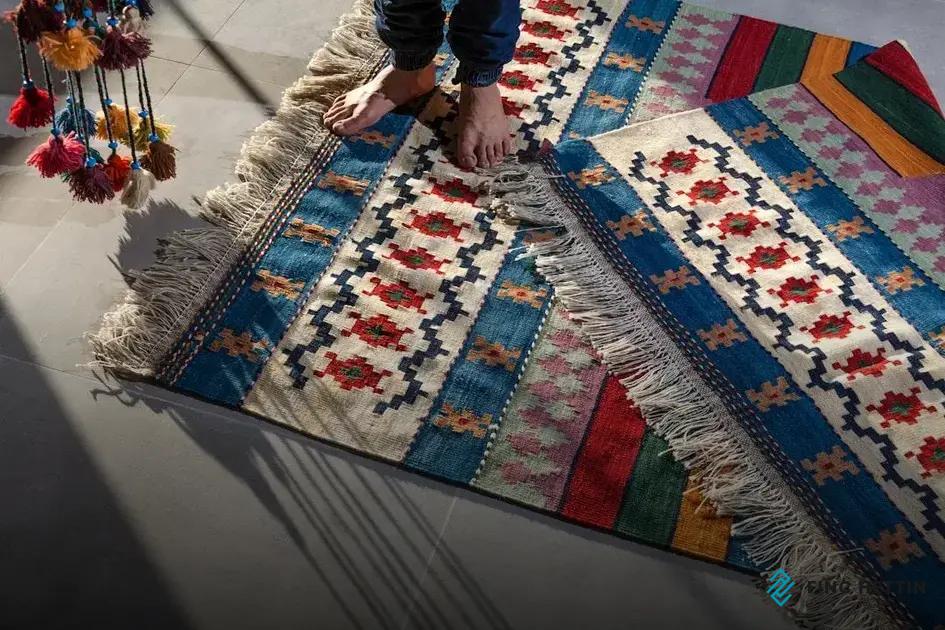
Indian Handwoven Carpets have captivated the world with their intricate designs and rich history. These masterpieces are a testament to the skilled artisans who create them. Understanding the origins and meticulous techniques involved in crafting these carpets can deepen one’s appreciation for them. Delve into the artistic techniques and cultural symbolism that make Indian handwoven carpets unique, and explore how to choose and care for these exquisite pieces.
Origins of Indian Handwoven Carpets
Indian handwoven carpets boast an enthralling history that dates back several centuries. Originating from various regions in India, these exquisite textiles are a testament to the country’s rich artisan heritage. Evidence suggests that carpet weaving was introduced to India by the Mughal emperors in the 16th century. With royal patronage, the craft flourished, spreading across regions like Kashmir, Uttar Pradesh, and Rajasthan. Each region developed its unique style and techniques.
During the Mughal era, carpet workshops were established in royal courts, and skilled weavers produced luxurious carpets that showcased intricate designs. These carpets often featured elaborate floral motifs, inspired by Persian designs, yet they evolved to incorporate Indian artistic elements. Weavers utilized traditional techniques handed down through generations, ensuring the preservation of cultural narratives within each piece.
The city of Agra became a notable center for carpet weaving, largely due to its historical significance and access to high-quality materials. Furthermore, the 17th and 18th centuries saw a fusion of Persian and Indian styles, which enriched the diversity of patterns and motifs. This blend of influences is evident in the complex geometrical and symbolic designs found on many heritage carpets.
Indian handwoven carpets continue to reflect the skills of their creators, preserving a storied legacy that is celebrated today by collectors and enthusiasts worldwide. These masterpieces offer glimpses into the past, embodying the history and the extraordinary creativity of India’s artisans.
Artistic Techniques and Patterns
Indian handwoven carpets showcase a variety of artistic techniques and intricate patterns that reflect the rich cultural heritage of India. Skilled artisans employ diverse methods, such as knotting and weaving, to produce exquisite designs. These techniques have been passed down through generations, ensuring their authenticity and uniqueness.
The patterns found in Indian carpets often include traditional motifs such as peacocks, elephants, and floral designs. These motifs are not only aesthetically pleasing but also hold cultural significance, representing prosperity, spirituality, and harmony. The use of vivid colors and natural dyes enhances the visual appeal of the carpets, making them desirable pieces of art.
In addition to traditional designs, some handwoven carpets feature contemporary patterns, blending modern aesthetics with traditional craftsmanship. This fusion allows for a wide range of styles, catering to diverse tastes and home decors.
The process of creating handwoven carpets is meticulous and requires great skill and attention to detail. Each piece is a testament to the artisan’s expertise and dedication, with every knot contributing to the overall beauty and complexity of the design.
Through mastering these techniques, artisans bring to life carpets that are not just functional floor coverings but also works of art that reflect the vibrant history and culture of India. The legacy of Indian handwoven carpets continues to thrive, with new generations of artisans innovating while respecting traditional craftsmanship.
Materials Used in Handmade Carpets
Understanding the Fibers
Handmade carpets incorporate a diverse range of fibers, each contributing unique qualities to the finished product. Wool is the most common fiber used due to its resilience and natural luster, providing warmth and durability to the carpets. Wool fibers can be dyed in a multitude of colors, allowing for vibrant and lasting hues in Indian designs.
The Role of Silk
In some regions, silk is also a popular material, especially for more elegant and intricate designs. Silk offers a sheen and softness that wool cannot match, making it suitable for carpets intended as decorative pieces rather than for everyday use.
Eco-Friendly Cotton
Cotton often serves as the backing or foundation for the carpets. This natural fiber is chosen for its strength, allowing intricate patterns to hold their shape over time. Cotton is also breathable and eco-friendly, making it a sustainable choice in modern production processes.
Sustainable Jute and Other Natural Fibers
In addition to wool, silk, and cotton, jute and other natural fibers are used in certain styles of rugs. Jute brings a rustic charm to the carpets, often used in areas where durability and soil-resistant properties are desired.
By selecting these materials, artisans ensure that each handmade carpet is not only beautiful but also durable and practical for various uses.
Cultural Significance and Symbolism
The artistry of Indian handwoven carpets extends beyond mere craftsmanship to embody deep cultural meanings. In many Indian homes, these carpets serve as symbols of wealth and status, reflecting centuries-old traditions. Each pattern and design holds unique significance, telling the stories of local communities and their customs.
The use of vibrant colors and intricate designs is not just for aesthetic appeal; they often represent beliefs and historical events. For example, the lotus flower, frequently seen in carpet motifs, symbolizes purity and enlightenment. Meanwhile, the presence of elephants and peacocks can denote power and prosperity.
Religious symbolism is also prevalent. Carpets often depict scenes from Hindu epics, showcasing gods and goddesses. These imbued carpets are not just decorative pieces, but sacred items that are believed to bring blessings into the home.
The cultural significance of these carpets is further underscored during family events and rituals. They’re used in weddings and festivals, playing a key role in traditional ceremonies. Passed down through generations, these carpets maintain a familial and cultural legacy.
Moreover, the weaving communities cherish these carpets as an expression of their identity and artistic prowess. The process of creation itself is a celebration of cultural heritage, with each weaver instilling a part of their soul into the carpet, making it a living testament to their artistry and history.
Shopping Tips and Preservation
Shopping for Indian Handwoven Carpets requires some strategic tips to ensure you get the best quality. Begin by understanding the carpet’s origin; carpets from regions like Kashmir or Rajasthan come with their unique craftsmanship, each contributing to its value.
Before making a purchase, examine the carpet’s knot density. A higher knot density usually means a higher quality carpet with intricate designs. Look for carpets made with natural dyes, as they tend to age beautifully and retain their vibrant colors longer.
When considering a purchase, also observe the backside of the carpet. This will reveal the weaving technique and can help in assessing authenticity. Authentic Indian handwoven carpets will often have small imperfections, a hallmark of being handmade rather than mass-produced.
Preservation of these carpets is crucial to maintain their beauty. Regular cleaning using a gentle vacuum can prevent dirt accumulation. Avoid exposing the carpets to direct sunlight for long periods to prevent fading.
Rotate the carpet every few months to ensure even wear. If spills occur, blot gently with a dry cloth and avoid scrubbing. Professional cleaning every few years is recommended to preserve the intricate dyes and fibers.
Consider placing a quality pad beneath your carpet to extend its life by reducing friction and offering additional cushioning. A careful approach to both purchasing and maintaining these carpets will ensure their legacy endures for generations.

 Future Trends in Carpet Design and Manufacturing: What’s Next?
  Timeless Carpet Designs That Never Go Out of Style
  Best Carpet Styles for Small Spaces: Discover Top Choices