
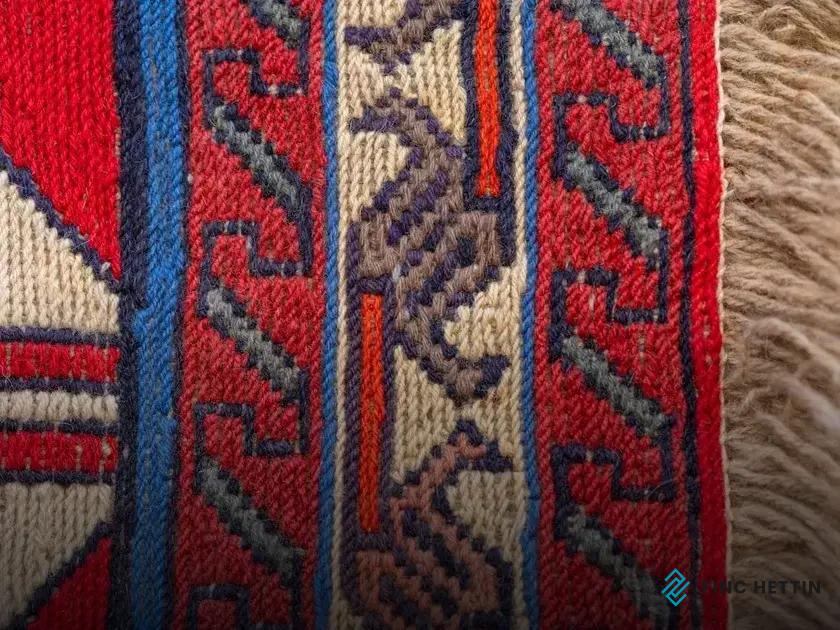
Dive into the world of Flatweave Carpets and discover the rich Kilim and Dhurrie styles. These carpets are renowned for their intricate patterns and durability. Whether you’re interested in the history or modern applications, flatweave carpets bring elegance and warmth to any space.
History of Flatweave Carpets
Flatweave carpets, known for their durability and intricate patterns, have a rich history dating back thousands of years. These carpets are distinguished by their tapestry-like construction, lacking the pile seen in other types of carpets.
Throughout history, flatweave carpets encompassed a wide range of cultural expressions, from Kilim and Dhurrie to soumaks and palas. Each style reflects the artistic traditions and storytelling of its culture. The Kilim, for example, is deeply rooted in regions stretching across Turkey and Central Asia, where these rugs often conveyed personal stories and customs through symbolic motifs.
On the other hand, Dhurries, with their origins in India, are known for their large geometric patterns and vibrant colors. Historically, they were more than just decorative items; these rugs served practical purposes like weather insulation and served as durable floor coverings in royal palaces.
Innovations in Weaving Techniques
Over centuries, the weaving techniques employed in crafting flatweave carpets have evolved, blending traditional crafts with innovative methods. These techniques have allowed artisans to maintain the integrity of historic designs while adapting to contemporary tastes. Kilims and Dhurries are examples of this balance, showcasing age-old patterns while fitting modern interior aesthetics.
Researching the history of flatweave carpets reveals not just the craftsmanship, but a journey through the evolutions of human creativity and cultural exchange. Each carpet carries the legacy of its origin, weaving stories of regions and peoples into the fabric of modern design.
Materials and Weaving Techniques
Flatweave carpets like Kilim and Dhurrie display remarkable artistry through their unique materials and weaving methods. These distinct techniques have developed over centuries, contributing to the rich cultural heritage associated with each style.
Materials Used in Flatweave Carpets
The foundational aspect of weaving these carpets revolves around the materials chosen. Natural fibers are preferred for their durability and aesthetic appeal. Common materials include wool, cotton, jute, and sometimes silk. Wool is widely used for both Kilim and Dhurrie due to its resilience and natural stain resistance. Cotton offers a softer texture, which complements outdoor settings or areas with heavy foot traffic.
Weaving Techniques
Traditional weaving methods bring intricate patterns to life on these flatweave carpets. Both the Kilim and Dhurrie are handwoven, reflecting a deep understanding of the art form. In Kilim weaving, the weft threads are tightly interwoven with the warp threads, creating a flat surface without any pile. This technique allows for bold, geometric patterns and vibrant color contrasts. Dhurries employ a similar horizontal loom setup, but the weaving is often less compact, enabling varied thickness and designs. Different regions may influence the weaving techniques slightly, resulting in unique local variations of the same carpet style. The longstanding cultural significance and artistic value of these weaving techniques continue to captivate enthusiasts worldwide, as each carpet represents a story woven into its very fabric.
Kilim vs Dhurrie: Key Differences
One of the noticeable distinctions between Kilim and Dhurrie carpets is in their origins and traditional uses. While both are flatweave carpets, their cultural and geographical roots differ significantly. Kilims hail primarily from the Middle East, including Turkey, Iran, and surrounding regions. In contrast, Dhurries originate from India and have been part of Indian households for centuries.
Another striking difference is the weaving technique. Kilim rugs employ a slit weave technique, creating intricate geometric designs with crisp lines and vivid colors. This technique involves interweaving the warp and weft threads, leading to a tapestry effect on both sides of the carpet. Dhurrie carpets, on the other hand, use a plain weaving technique, making them reversible with a smoother finish. This method gives them a more subdued, subtle pattern and allows the use of a broader range of colors.
Materials used in Kilims and Dhurries also set them apart. Kilims are often made from wool or a blend of wool and cotton, known for their warmth and durability. Conversely, Dhurries are frequently crafted from cotton, wool, or jute, offering a cooler and lighter floor covering.
Design and Patterns
The design philosophy behind these carpets reflects their cultural heritage. Kilims are famous for their symbolic motifs, with each design carrying specific meanings, from fertility and luck charms to protection symbols. Dhurries, however, emphasize simplicity and functionality. They often feature straightforward stripes and geometric shapes, focusing on color and form rather than complex symbolism.
Applications and Usage in home décor differ as well. Kilims, with their vibrant patterns, are often used as statement pieces or wall hangings to bring a touch of exotic charm. Dhurries, due to their versatility and ease of maintenance, are suitable for high-traffic areas and can fit seamlessly in various settings, from contemporary to traditional homes.
Decorating with Flatweave Carpets
Flatweave carpets, such as kilim and dhurrie styles, provide a versatile and stylish addition to any interior space. These carpets are not only aesthetically pleasing but also practical, fitting into both contemporary and traditional decor effortlessly. Their unique textures and vibrant patterns can serve as a focal point in living rooms or as subtle additions in understated settings.
Versatility in Placement: These carpets are lightweight and easy to move, making them an excellent choice for those who like to frequently change their home decor. Place a flatweave carpet in high-traffic areas like the hallway or entryway for durability and style. Their flat nature means they won’t trap dust easily, making them great for maintaining a cleaner home environment.
Patterns and Colors: Bold patterns and vibrant hues characterize many kilim and dhurrie designs. These vivid designs, often embedded with cultural significance, can enhance the visual appeal of any room. Whether you opt for geometric patterns or traditional motifs, flatweave carpets can reflect personal style and taste effectively.
Layering Options: To add texture and depth to a room, consider layering flatweave carpets over larger, neutral rugs. This layering not only adds comfort underfoot but also introduces an element of sophistication, infusing spaces with various layers of design.
Practical Uses: Beyond mere decoration, these carpets can be used as wall hangings or furniture covers to infuse rooms with color and warmth. Their tactile textures can provide interest and break up monotony in certain interior designs, offering a functional yet decorative element.
Caring for Your Flatweave Carpet
Regular maintenance is essential to keep your flatweave carpet looking pristine. Begin with frequent vacuuming to remove dust and dirt. Since flatweave carpets are lightweight, they can trap particles more easily, so vacuum both sides if possible.
Spot Cleaning: Address spills immediately to prevent stains. Use a damp cloth with mild soap, applying it gently to avoid integrating the stain into the fibers. Do not rub harshly, as this can damage the delicate weave.
Deep Cleaning: Occasionally, give your carpet a thorough clean. Hand-washing with cold water and mild detergent is effective. Ensure the carpet dries completely, as trapped moisture can lead to mildew.
Professional Cleaning:
While flatweave carpets are versatile, they benefit from professional cleaning every 1-2 years. Professionals can handle stubborn stains and ensure the longevity of the fibers.
Finally, rotate your carpet periodically to avoid uneven wear and fading due to direct sunlight. This will help in maintaining the vibrancy and form of your lovely kilim or dhurrie carpet.

 Future Trends in Carpet Design and Manufacturing: What’s Next?
  Timeless Carpet Designs That Never Go Out of Style
  Best Carpet Styles for Small Spaces: Discover Top Choices