
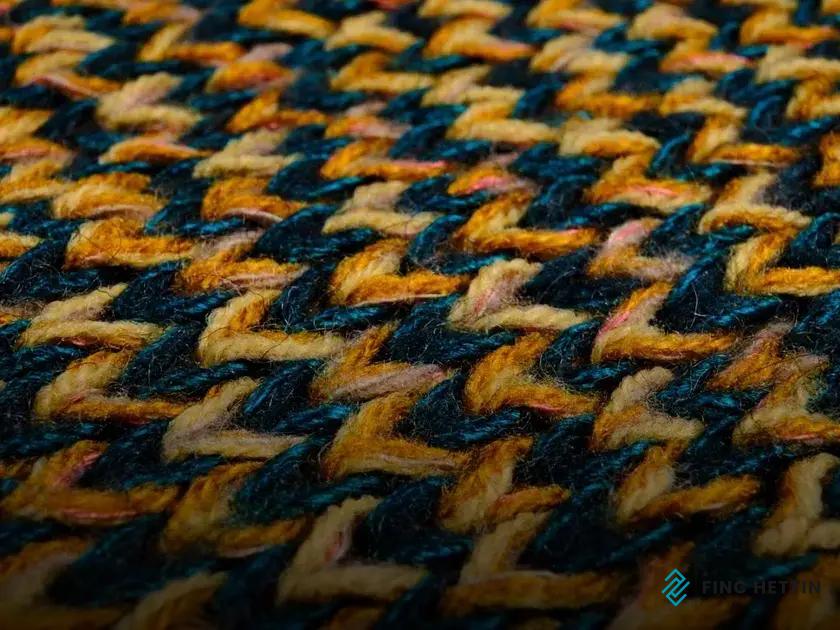
Bamboo fiber carpets are transforming the way we think about eco-friendly home decor. This sustainable innovation offers a unique blend of environmental benefits and aesthetic appeal. Discover how bamboo compares to traditional carpets and why it’s becoming a top choice for eco-conscious homeowners. From maintenance tips to choosing the right style for your home, learn everything you need to know about integrating bamboo fiber carpets into your living space.
Benefits of Bamboo Fiber Carpets
Bamboo fiber carpets offer a multitude of benefits that make them a standout choice for your home decor. One of the most notable advantages is eco-friendliness. Bamboo is a highly renewable resource, growing up to three feet in 24 hours, which makes it a sustainable option for carpet production. Compared to traditional wool or synthetic carpets, bamboo carpets have a much smaller environmental footprint.
Another key benefit is the natural antibacterial properties of bamboo fibers. These properties help to keep your carpets cleaner for longer by resisting the growth of bacteria and fungi. This aspect is particularly appealing for households with children or pets.
Bamboo fiber carpets also excel in comfort and softness. The fibers are naturally soft and give a luxurious feel underfoot, comparable to that of high-end carpets, while being more durable and resilient.
In terms of aesthetics, bamboo carpets are notable for their versatile design options. Available in a range of colors and textures, they can complement any home decor style, from modern to traditional.
Furthermore, bamboo fiber has the wonderful ability to regulate temperature. This means that bamboo carpets remain cool in the summer yet provide warmth during colder months, contributing to a comfortable living environment year-round.
Last but not least, bamboo fiber carpets are often hypoallergenic. They are a great choice for those with allergies as the fibers naturally repel dust mites and other common allergens.
Environmental Impact of Carpet Production
Carpet production has a significant environmental impact, often overlooked by consumers. Traditional carpet manufacturing involves the use of synthetic fibers and chemical processes, which can result in considerable carbon emissions and energy consumption. The production process typically includes dyeing, finishing, and applying protective coatings, contributing to water pollution and generating industrial waste.
In stark contrast, bamboo fiber carpets offer a more sustainable alternative. Bamboo is a highly renewable resource, known for its rapid growth rate and minimal need for pesticides and fertilizers. This aspect reduces the ecological footprint associated with its cultivation.
Moreover, bamboo processing consumes less water and energy compared to conventional carpet fibers. This leads to a significant reduction in the overall environmental impact of carpet production. By incorporating eco-friendly production methods, bamboo carpets help mitigate the adverse effects typically linked to carpeting, like diminishing natural resources and environmental degradation.
The transition from traditional to bamboo-based carpets represents a positive shift in the industry, aligning with global efforts to adopt more sustainable practices. Embracing bamboo fibers in carpet production not only supports environmental preservation but also encourages innovation in the home decor sector, paving the way for greener living spaces.
Comparing Bamboo to Traditional Carpets
In the realm of home decor, the choice of flooring material plays a crucial role in defining the aesthetic and comfort of a space. When it comes to bamboo fiber carpets, many homeowners are drawn to their appeal as a sustainable and modern alternative to traditional options. Bamboo carpets offer a unique texture and a variety of color palettes that can easily complement most interior designs.
Bamboo fibers are known for being both soft and durable, making them a competitive choice against traditional carpets like wool or synthetic options. While traditional carpets have long been valued for their plushness and warmth, bamboo fibers bring a natural luster and a refreshing sense of nature into homes.
Unlike traditional carpets, bamboo fiber carpets tend to be more resilient against stains and regular wear, thanks to the natural properties of bamboo.
Cost Efficiency
is another aspect where bamboo shines. Although the initial cost can be similar to or slightly higher than traditional materials, the long-term savings in maintenance and product lifespan often tip the scales in favor of bamboo carpets.
The production methods for bamboo carpets generally involve less chemical processing, translating into lower levels of volatile organic compounds (VOCs) in your home environment. This quality makes them a healthier option for those with allergies or sensitivities, setting them apart from many traditional carpets that might emit higher levels of VOCs.
In conclusion, when comparing bamboo fiber carpets to their traditional counterparts, one discovers a compelling case for making a switch—not just for aesthetic reasons, but also in pursuit of a more sustainable and eco-friendly lifestyle.
Maintenance and Durability of Bamboo Carpets
Maintenance of Bamboo Carpets: Bamboo fiber carpets require minimal effort to keep them in excellent condition. Regular vacuuming helps to remove dust and debris, preserving the carpet’s vibrant appearance. In case of spills, prompt blotting with a clean cloth prevents staining. Avoid soaking bamboo rugs with water, as excessive moisture can harm the fibers.
Stain Resistance: Bamboo carpets naturally repel stains, making them a practical choice for high-traffic areas. Their resistance to spills and dirt ensures a longer lifespan compared to traditional carpets. For tougher stains, mild soap and water suffice without resorting to harsh chemicals.
Durability: The inherent strength of bamboo fibers contributes to their remarkable durability. These carpets withstand daily wear and tear, akin to high-quality synthetic options. Their resilience makes them suitable for homes with pets and children.
Eco-Friendly Longevity: In addition to being environmentally friendly, bamboo carpets provide longevity without compromising style. Their robust nature allows them to remain a staple in your home décor for years, offering both aesthetic appeal and sustainability.
Bamboo carpets balance elegance and practicality, serving as a sustainable alternative that demands minimal maintenance while offering exceptional durability for contemporary living spaces.
Choosing the Right Bamboo Carpet for Your Home
Picking the perfect bamboo carpet involves considering several factors to ensure it fits seamlessly into your home. Bamboo fiber carpets come in various styles, colors, and weaves. Selecting the appropriate pattern and color can set the tone for an entire room. Natural hues often blend well with existing decor, while bolder choices can act as an accent piece.
Material quality should also be a priority when making your selection. Look for carpets made from 100% bamboo fibers or blends that maintain a high percentage of bamboo content. This ensures you benefit from bamboo’s natural properties such as anti-bacterial features and softness.
Another consideration is the
carpet’s environment
. Bamboo carpets are highly versatile, suitable for both humid and dry conditions. Choose a denser weave for high-traffic areas to ensure durability. For rooms where comfort is key, like bedrooms or living rooms, you might prefer a thicker, plusher style.
Budget is an essential factor in the decision-making process. Bamboo carpets can range from budget-friendly options to high-end luxury. Determine how much you are willing to spend while taking into account the carpet’s longevity and sustainability benefits.
Lastly, consider the ease of maintenance. Bamboo carpets are generally low-maintenance, and some are even stain-resistant. Ensure you’re aware of the specific care requirements, as proper upkeep will extend the life of your carpet and keep it looking new.

 Future Trends in Carpet Design and Manufacturing: What’s Next?
  Timeless Carpet Designs That Never Go Out of Style
  Best Carpet Styles for Small Spaces: Discover Top Choices